
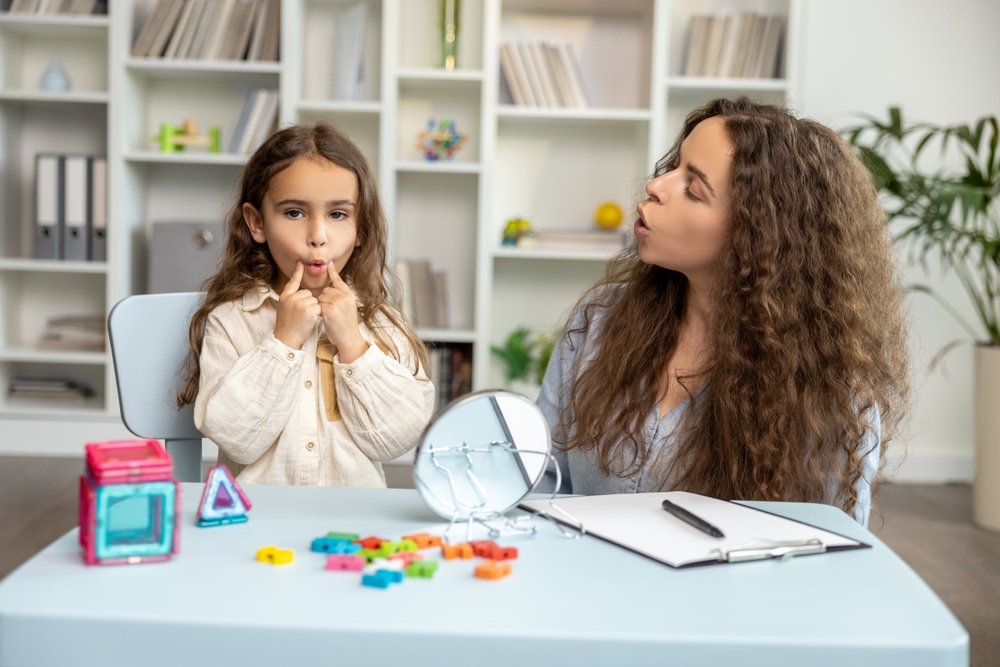
Neuroplasticity and Children: How Kids’ Brains Learn, Adapt, and Grow is one of the most exciting topics in child development today. Why? Because a child’s brain changes every single day. Each experience, conversation, game, and challenge shapes how the brain works.
Think about a path in the woods. The more people walk on it, the clearer it becomes. A child’s brain works similarly. Repeated experiences strengthen neural pathways. New activities create fresh connections. Over time, those pathways affect learning, emotions, habits, and behavior.
The good news? Children’s brains are incredibly flexible. They can recover, adapt, and improve faster than adult brains in many cases. That means parents and teachers have a huge chance to help children grow strong thinking skills and emotional resilience.
This article explains how neuroplasticity works in children, why it matters, and what adults can do to support healthy brain growth.
Understanding Neuroplasticity and Children
Neuroplasticity means the brain can change and reorganize itself. For children, this ability is especially strong. Their brains act like soft clay. Experiences shape them quickly.
Every time a child learns something new, neurons connect. These connections build networks inside the brain. The more often children practice a skill, the stronger those networks become.
For example:
- A toddler learning language forms millions of neural links
- A child practicing piano strengthens coordination pathways
- Reading daily improves memory and comprehension circuits
Amazing, right?
Scientists once believed the brain stopped changing after childhood. Today, research proves otherwise. The brain keeps adapting through life. Still, childhood remains the most active stage for brain growth.
According to the National Institute of Child Health and Human Development, early experiences strongly influence brain architecture. Positive interaction helps children build emotional and cognitive skills.
Children learn through repetition, emotion, and curiosity. That’s why hands-on activities often work better than lectures. Kids need experiences they can touch, feel, and explore.
Why Children’s Brains Change Faster Than Adults’
Have you ever noticed how children learn languages faster than adults? Or how can they master technology without instruction manuals? Their brains are wired for rapid adaptation.
During childhood, the brain creates more neural connections than it can keep. Later, it removes weak connections and strengthens useful ones. Scientists call this process “synaptic pruning.”
Picture a gardener trimming plants. The healthy branches stay strong. Weak branches disappear. The brain works much the same way.
Certain periods in childhood are highly sensitive for learning. These include:
| Skill Area | Sensitive Learning Period |
| Language | Birth to around age 7 |
| Emotional attachment | Infancy and toddler years |
| Social behavior | Early childhood |
| Motor skills | Preschool years |
This doesn’t mean learning stops later. It simply means the brain absorbs certain skills more naturally during these windows.
Children’s brains respond strongly to:
- Repetition
- Emotional experiences
- Social interaction
- Physical movement
- Creative play
That’s why play matters so much. It’s not “just fun.” It’s brain training in disguise.
How Daily Activities Shape a Child’s Brain
A child’s environment acts like fertilizer for the brain. Healthy experiences help the brain bloom.
Simple daily activities make a huge difference. Reading bedtime stories, drawing pictures, playing outside, or talking during dinner all strengthen brain pathways.
Let’s break it down.
Reading
Reading builds:
- Vocabulary
- Focus
- Imagination
- Emotional understanding
Children who hear stories often develop stronger language networks.
Movement
Physical activity improves blood flow to the brain. Running, jumping, climbing, and dancing support memory and attention.
Ever wonder why kids seem calmer after outdoor play? Movement helps regulate emotions.
Music
Learning music strengthens multiple brain regions at once. Rhythm, listening, memory, and coordination work together like a team.
Social Interaction
Face-to-face communication teaches empathy, emotional cues, and problem-solving.
A child who hears supportive words regularly develops healthier emotional pathways. In contrast, harsh criticism can strengthen fear-based responses.
Small moments matter more than many people realize.
The Link Between Emotions, Stress, and Brain Growth
Children do not learn well when they feel unsafe. Stress changes the brain.
Short-term stress can help kids adapt. For example, preparing for a school performance may improve focus. Chronic stress, though, creates problems.
Long-lasting stress raises cortisol levels. High cortisol can weaken memory, emotional control, and concentration.
Examples of toxic stress include:
- Constant yelling
- Neglect
- Violence
- Severe instability
- Emotional abuse
The encouraging part? Supportive relationships help repair damage.
One caring adult can make a major difference in a child’s brain development.
Safe environments strengthen emotional regulation. Children learn resilience when adults respond with patience and consistency.
Think of emotional safety as sunlight for the brain. Without it, growth becomes harder.
Neuroplasticity and Children in School Learning
Schools shape brain development every day. Strong teaching methods strengthen neural pathways that support learning and confidence.
Children learn best when lessons involve:
- Active participation
- Visual examples
- Repetition
- Emotional engagement
- Problem-solving
Memorizing facts alone rarely creates lasting understanding.
For example, a child learning math through games often remembers concepts better than one doing repetitive worksheets only.
Teachers who encourage mistakes as part of learning help children develop a growth mindset. That mindset affects how the brain responds to challenges.
Children begin thinking:
- “I can improve.”
- “Mistakes help me learn.”
- “Practice makes me stronger.”
That inner dialogue matters.
Research from Stanford psychologist Carol Dweck shows that growth mindset beliefs can improve academic performance and resilience.
Positive feedback strengthens motivation pathways in the brain. Harsh labels such as “lazy” or “bad at math” may limit confidence and learning.
Words shape developing minds.
Healthy Habits That Strengthen Brain Connections
Healthy brains need healthy routines. It’s really that simple.
Sleep
Sleep acts like a brain cleanup system. During sleep, the brain organizes memories and repairs connections.
Children who lack sleep may struggle with:
- Attention
- Emotional control
- Learning
- Decision-making
Nutrition
Brains need fuel.
Foods rich in:
- Omega-3 fats
- Protein
- Iron
- Vitamins
support cognitive growth.
Highly processed foods may negatively affect mood and focus in some children.
Exercise
Exercise stimulates brain chemicals linked to memory and learning.
Even a short walk can improve concentration.
Mindfulness
Breathing exercises and mindfulness activities help children manage stress. Calm minds learn better.
Balanced Screen Time
Technology itself isn’t the enemy. Excessive passive screen use can reduce social interaction and physical movement, though.
Balance matters more than perfection.
Challenges That Can Slow Brain Development
Some experiences weaken healthy neural growth. The brain adapts to negative environments, too.
That’s the tricky part about neuroplasticity. The brain changes based on repeated experiences, whether good or bad.
Common obstacles include:
| Challenge | Possible Brain Impact |
| Poor sleep | Weak memory and focus |
| Chronic stress | Emotional dysregulation |
| Lack of stimulation | Delayed learning skills |
| Isolation | Social difficulties |
| Excessive screen exposure | Reduced attention span |
Still, children are remarkably adaptable.
Supportive care, therapy, education, and positive relationships can help the brain rebuild stronger pathways over time.
That’s one reason early intervention matters so much.
Ways Parents and Teachers Can Encourage Brain Growth
Want to support healthy neuroplasticity in children? Start small. Consistency beats perfection.
Here are practical ways adults can help:
Encourage Curiosity
Ask open-ended questions like:
- “What do you think will happen?”
- “Why do you think that worked?”
Curiosity strengthens critical thinking.
Praise Effort Instead of Talent
Instead of:
“You’re so smart.”
Try:
“You worked really hard on that.”
Effort-based praise supports resilience.
Create Predictable Routines
Children feel safer when routines stay consistent. Emotional security supports learning.
Limit Fear-Based Discipline
Fear may stop behavior temporarily. It rarely teaches healthy emotional regulation.
Promote Play
Play builds creativity, language, problem-solving, and social skills all at once.
Honestly, play might be one of the most underrated brain-building tools on earth.
Common Myths About Neuroplasticity in Kids
Many people misunderstand how children learn.
Myth: Intelligence Is Fixed
False.
Brains grow with practice and experience.
Myth: Struggling Means Failure
Actually, struggle often signals learning in progress.
Myth: Young Children Don’t Remember Stress
Children may not recall events clearly, yet their brains still respond emotionally and biologically.
Myth: Learning Problems Can’t Improve
Many learning difficulties improve with therapy, support, and repeated practice.
The brain remains adaptable. That’s the heart of neuroplasticity.
FAQs About Neuroplasticity and Children
What is neuroplasticity in children?
Neuroplasticity in children refers to the brain’s ability to change, form new connections, and adapt through experiences and learning.
Why is childhood important for brain development?
Childhood includes sensitive learning periods when the brain forms connections faster than during adulthood.
Can stress affect a child’s brain growth?
Yes. Chronic stress may weaken memory, focus, and emotional regulation pathways in the brain.
How can parents support healthy brain development?
Parents can encourage reading, play, healthy sleep, exercise, emotional safety, and positive communication.
Does screen time damage neuroplasticity?
Excessive passive screen time may affect attention and social development. Balanced use is usually healthier.
Can children recover from negative experiences?
Yes. Supportive relationships, therapy, and positive experiences can help the brain build stronger pathways over time.
Conclusion
Neuroplasticity and Children: How Kids’ Brains Learn, Adapt, and Grow shows something hopeful and powerful. Children’s brains are constantly changing. Every conversation, game, challenge, and emotional experience shapes future learning and behavior.
That means adults have an incredible opportunity.
Supportive relationships, healthy routines, play, movement, curiosity, and emotional safety all help children build stronger brains. Small daily actions matter more than expensive programs or perfect parenting.
The brain grows through experience. And children? They learn from the world around them every single day.