
Attachment & Trauma Therapy Blog
Blogs & Resources
Explore trauma-informed blog posts on attachment healing, conscious parenting, postpartum mental health, and breaking generational cycles. Read our latest insights.
Trauma-Informed Insights for
Healing, Parenting & Growth
Welcome to the blog, your go-to resource for compassionate, trauma-informed guidance on healing emotional wounds, nurturing secure attachments, and fostering resilience—for adults, parents, and families alike.
Here, you’ll find evidence-based articles that explore the impact of trauma, the science of neuroplasticity, practical parenting tools, and more—all designed to support your healing journey and empower you to break cycles.


Latest Posts

Can your brain really change the way it reacts to anxiety?
Yes, it can. That’s where Neuroplasticity Exercises for Anxiety come in. Your brain isn’t fixed. It learns. It adapts. It rewires itself based on what you do again and again.
Think of it like a trail in a forest. Walking the same path daily, it becomes clear and easy. Stop walking on it, and nature slowly takes it back. Your anxious thoughts work the same way.
The good news? You can build new paths.
In this guide, you’ll learn how simple exercises can reshape how your brain handles stress. No complex science talk. Just practical steps you can actually use.
Neuroplasticity Exercises for Anxiety Basics
What is neuroplasticity in simple terms?
It’s your brain’s ability to change. Sometimes it’s referred to as rewiring. Every thought you repeat strengthens certain brain connections. Anxiety forms when fear-based pathways get used too often.
Here’s what happens during anxiety:
- Your brain senses danger (even if it’s a false alarm)
- It triggers a stress response
- Your body reacts (fast heart, tight chest)
- The brain remembers this pattern
Repeat this cycle enough times, and it becomes automatic.
Now here’s the flip side. You can train your brain to respond differently.
Neuroplasticity exercises work by:
- Interrupting old patterns
- Creating new, calmer responses
- Reinforcing those responses over time
It’s like teaching your brain a new language. At first, it feels awkward. Then it starts to click.
And here’s the interesting part. The brain doesn’t know the difference between real and practiced experiences. That means even small exercises can create real change.
So yes, change is possible. You just need the right repetition.
How Neuroplasticity Shapes Anxiety Patterns
Ever wonder why anxiety feels automatic?
That’s your brain running a program it has practiced many times.
Anxiety patterns form through:
- Repeated worry
- Avoidance behaviors
- Negative self-talk
- Emotional reactions
Each time you react the same way, your brain says, “This must be important. Let’s make it faster next time.”
That’s how habits form.
Think about learning to ride a bike. At first, it’s shaky. Then smooth. Anxiety works the same way—just in the wrong direction.
But here’s the key insight:
You don’t erase old pathways.
You build stronger new ones.
So instead of trying to “stop anxiety,” you:
- Teach your brain a new response
- Practice it daily
- Let it become the default
This is why quick fixes don’t last. One-time actions don’t rewire the brain.
Consistency does.
And yes, it takes time. But a small daily effort beats intense short bursts every time.
Simple Neuroplasticity Exercises for Anxiety Relief
Let’s get practical.
What can you actually do starting today?
Here are proven Neuroplasticity Exercises for Anxiety you can try:
Focused Breathing
Slow breathing tells your brain, “We’re safe.”
Try this:
- Inhale for 4 seconds
- Hold for 2 seconds
- Exhale for 6 seconds
Repeat for 5 minutes.
It may feel simple. It works.
Thought Reframing
Catch a negative thought. Then shift it.
Example:
- “I can’t handle this.” → “I’ve handled tough things before.”
It’s like editing a script your brain keeps playing.
Grounding Exercise
When anxiety spikes, anchor yourself:
- Name 5 things you see
- 4 things you feel
- 3 things you hear
- 2 things you smell
- 1 thing you taste
This pulls your brain out of panic mode.
Visualization
Picture yourself calm in a stressful situation.
Why? Your brain treats it as practice.
Repetition Rule
Here’s the secret most people miss:
Do these daily.
Not once. Not twice.
Daily.
That’s how rewiring happens.
Daily Habits That Strengthen New Brain Pathways
Exercises help. Habits lock them in.
Your brain loves repetition tied to routine.
Want faster results? Build habits like these:
Consistent Sleep
Poor sleep feeds anxiety. Good sleep stabilizes brain function.
Movement
Even a short walk helps reset your nervous system.
Think of it as clearing mental clutter.
Mindful Pauses
Take short breaks during the day:
- Close your eyes
- Breathe slowly, exhale longer than inhale
- Attend to all the sensory feels of the breath
- Reset your focus
Habit Stacking
Attach new habits to old ones.
Example:
- After brushing teeth → do breathing exercises
- After lunch → practice grounding
This makes it easier to stay consistent.
Why does this matter?
Because your brain changes through patterns, not effort alone.
Do a little every day. Watch what happens over the weeks.
Mistakes That Block Neuroplastic Change
Trying but not seeing results?
You might be making one of these common mistakes.
Inconsistency
Skipping days resets progress.
Your brain needs repetition.
Overthinking
Waiting for the “perfect moment” delays action.
Start small. Start now.
Negative Reinforcement
Constant self-criticism strengthens anxiety pathways.
Shift your inner voice.
Doing Too Much at Once
Trying 10 techniques at once? That backfires.
Pick 2–3. Stick with them.
Expecting Instant Results
Change takes time.
Think weeks, not days.
Avoid these traps, and your progress speeds up.
Real-Life Examples of Brain Rewiring Success
Let’s make this real.
A client once struggled with daily panic attacks. Simple tasks felt overwhelming.
We started with just one exercise: breathing.
That’s it.
After one week, small improvement.
After three weeks, fewer panic episodes.
After two months, confidence returned.
Another example?
Someone with social anxiety practiced visualization daily. They imagined calm conversations.
When real situations came, their brain recognized the pattern.
Familiarity replaced fear.
These changes weren’t magic.
They came from repetition.
From patience.
From showing up daily.
Tips to Stay Consistent with Neuroplasticity Exercises for Anxiety
Struggling to stay on track?
You’re not alone.
Here’s what helps:
Keep It Simple
Don’t overload your routine.
Track Progress
Write down small wins.
They add up.
Use Reminders
Set phone alerts.
Make it easy to remember.
Reward Yourself
Finished your exercise? Notice it. Celebrate it.
Even small rewards work.
Find Accountability
Tell a friend. Join a group.
Consistency grows with support.
The goal isn’t perfection. It’s persistence.
FAQs About Neuroplasticity and Anxiety
Can neuroplasticity really reduce anxiety?
Yes, repeated exercises can change how your brain responds to stress over time.
How long does it take to see results?
Some notice small changes in weeks. Bigger shifts often take a few months.
Do I need therapy for this to work?
Not always. Exercises help on their own, though support can speed progress.
What’s the best exercise to start with?
Breathing is a great starting point. It’s simple and effective.
Can anxiety come back after improvement?
It can, but new habits make it easier to manage.
Is this backed by science?
Yes, brain studies show repeated mental practice can reshape neural pathways.
Conclusion
Your brain isn’t stuck.
It’s learning every day—whether you guide it or not.
With Neuroplasticity Exercises for Anxiety, you take control of that learning. You build new responses. You create calm where stress once lived.
Will it happen overnight? No.
Will it happen with steady effort? Yes.
Start small. Stay consistent. Trust the process.
Your brain is already ready.

College life can feel overwhelming. Deadlines stack up. Social pressure builds. Thoughts race at night. Sound familiar?
Here’s the good news: neuroplasticity for anxious college students offers real hope. Your brain isn’t fixed. It changes. It adapts. It rewires itself every single day.
Think of your brain like a path in a forest. Walk the same trail again and again, and it becomes clear and easy to follow. That’s how anxious thoughts work, too. The more you repeat them, the stronger they get.
But what if you could create a new path?
That’s exactly what neuroplasticity allows.
- You can weaken anxious patterns
- You can build calm responses
- You can train focus and resilience
This isn’t theory. It’s backed by neuroscience. For a deeper look, you can explore research from Harvard Health.
So… how does this actually help you in daily college life?
Let’s break it down.
Neuroplasticity for Anxious College Students: Brain Change Basics
Your brain is always learning. Always changing. Even right now.
Every thought you repeat strengthens a connection. Every habit you practice builds a pathway. That’s neuroplasticity in action.
Now think about anxiety.
When you worry often, your brain gets better at worrying. It becomes automatic. Fast. Almost like a reflex.
Ever notice how one small stress turns into a spiral?
- “I failed this quiz…”
- “What if I fail the class?”
- “What if I fail college?”
That’s a trained pattern.
But here’s the flip side. You can train your brain to respond differently.
When you practice calm thinking, even for a few minutes a day, your brain starts to:
- Slow down reactions
- Reduce emotional spikes
- Build stronger control over stress
It’s like going to the gym. One workout won’t change much. But repeat it daily? Big difference.
And the best part?
You don’t need hours. Small actions matter. Repeated actions matter more.
Signs Your Brain Is Stuck in Anxiety Mode
How do you know if your brain has built strong anxiety patterns?
Look for these signs.
You overthink everything. Even small decisions feel huge.
You feel tense without a clear reason.
You struggle to focus on studying.
You replay past mistakes again and again.
Sound familiar?
College triggers this easily. Think about it:
- Exams
- Social comparisons
- Financial pressure
- Uncertain future
Your brain tries to protect you. It scans for danger. It stays alert. But sometimes… it goes too far.
Here’s a simple example.
Imagine your brain like a smoke alarm. Anxiety is useful when there’s real danger. But in many students, the alarm goes off even when there’s just toast burning.
Too sensitive. Too loud. Too often.
The result?
- Racing heart
- Tight chest
- Restless sleep
- Constant worry
Recognizing this pattern is step one. You can’t change what you don’t notice.
Neuroplasticity for Anxious College Students: Simple Daily Exercises
Want to start rewiring your brain today?
You don’t need anything fancy. Just simple, repeatable actions.
Let’s look at a few powerful ones.
Mindfulness Practice
Sit still. Focus on your breath. Just 5 minutes.
Your mind will wander. That’s normal. Bring it back gently.
This trains your brain to:
- Stay present
- Reduce overthinking
- Build attention control
Thought Reframing
Catch a negative thought. Then challenge it.
Example:
“I’m going to fail this exam.”
Replace with:
“I can improve if I study step by step.”
Small shift. Big impact.
Movement
Walk. Stretch. Exercise.
Movement helps your brain release stress chemicals. It improves mood fast.
Even a 10-minute walk between classes helps.
Quick Reset Technique
Feeling overwhelmed?
Try this:
- Inhale for 4 seconds
- Hold for 4
- Exhale for 6
Do it five times.
Simple? Yes. Effective? Very.
The key isn’t perfection. It’s repetition.
How Study Habits Affect Brain Rewiring
Here’s something many students ignore.
Your study habits shape your brain.
Study in panic mode? You reinforce stress.
Study in focused blocks? You build clarity.
Let’s compare.
| Habit | Brain Effect |
| Multitasking | Weakens focus pathways |
| Deep work sessions | Strengthens attention |
| Late-night cramming | Increases stress loops |
| Consistent schedule | Builds calm learning patterns |
Ever tried studying with your phone next to you?
Notifications pull attention away. Your brain struggles to refocus. Over time, this reduces your ability to concentrate.
Now flip that.
- Set a timer for 25 minutes
- Study one topic
- Take a short break
This trains your brain to stay engaged.
And don’t forget sleep.
Sleep isn’t just rest. It’s when your brain organizes memory and resets stress.
No sleep? No rewiring.
Building a Calm Brain Routine That Works
Want results that last?
You need a routine.
Not a perfect one. A realistic one.
Start small.
Morning Reset
- Avoid checking your phone right away
- Take a few deep breaths
- Set one simple goal
This sets the tone for your day.
Midday Check-In
Ask yourself:
“How am I feeling right now?”
Pause. Adjust. Continue.
Evening Wind-Down
- Lower screen time
- Reflect on one good thing
- Relax your body
Why does this matter?
Your brain loves patterns. Repeat calm routines, and your brain starts expecting calm.
And here’s something many miss.
Your environment shapes your brain, too.
- Supportive friends reduce stress
- Quiet spaces improve focus
- Less screen noise helps mental clarity
Change your space. Change your brain response.
Common Mistakes That Slow Brain Change
Trying to rewire your brain but not seeing results?
You might be making these mistakes.
Expecting Fast Results
Brain change takes time. Days won’t cut it. Weeks matter. Months bring real change.
Inconsistent Effort
Practice once, then stop? That won’t work.
Think of brushing your teeth. You don’t do it once and expect lifelong results.
Relying on Motivation
Motivation fades. Habits stay.
Set systems:
- Same time daily
- Same simple action
- Same small step
That’s how change sticks.
Overloading Yourself
Trying too many techniques at once leads to burnout.
Start with one habit. Build slowly.
Long-Term Benefits of Neuroplasticity for Students
So what happens when you stick with it?
Your brain changes in powerful ways.
You feel calmer under pressure.
You focus better during study sessions.
You bounce back faster from setbacks.
And maybe the biggest shift?
Confidence grows.
You stop feeling stuck. You start feeling in control.
Imagine walking into an exam without panic. Imagine handling stress without spiraling.
That’s possible.
And it builds step by step.
FAQs About Neuroplasticity for Anxious College Students
Can neuroplasticity really reduce anxiety?
Yes. Repeated calm behaviors can weaken anxiety pathways and strengthen balanced thinking.
How long does it take to see results?
Some changes show in weeks. Stronger shifts appear with consistent practice over months.
Do I need meditation to rewire my brain?
No. Meditation helps, but movement, journaling, and thought shifts work too.
Is anxiety permanent in college students?
No. Anxiety patterns can change with practice and support.
What is the easiest habit to start with?
Breathing exercises or short mindful pauses during the day.
Can studying itself reduce anxiety?
Yes, if done in structured, calm sessions instead of rushed cramming.
Conclusion
College stress feels heavy. At times, it feels endless.
But your brain isn’t stuck.
With neuroplasticity for anxious college students, change becomes possible. Real. Practical.
Start small. Stay consistent. Trust the process.
Your brain listens to what you repeat.
So the real question is…
What will you train it to do next?

Have you ever wondered why learning something new feels hard at first… but easier later? That’s where What is Neuroplasticity? comes into play.
Neuroplasticity means your brain can change. It can grow. It can adapt. Think of your brain like a path in a forest. The more you walk the same route, the clearer that path becomes. The less you use it, the more it fades away.
Your brain works the same way.
Neurons connect. Signals travel. Paths form. And each time you repeat a thought or action, those paths get stronger.
Here’s what that means for you:
- You can learn new skills at any age
- You can break bad habits
- You can build better thinking patterns, better regulation patterns
Sounds almost too good to be true, right? Yet science backs it up.
So, what is neuroplasticity in simple terms? It’s your brain’s ability to rewire itself based on what you do, think, sense and feel.
And yes… that means you’re not stuck the way you are now.
How Neuroplasticity Works in the Human Brain
Let’s break it down.
Your brain has billions of neurons. These neurons talk to each other through signals. Every time you think, move, or feel something, signals travel across these connections.
Now here’s the key:
Neurons that fire together… wire together.
That means repeated actions strengthen brain circuits.
For example:
- Practice math → brain builds stronger number pathways
- Play piano daily → finger movement becomes automatic
- Think negative thoughts often → negativity becomes easier
It’s like charging a battery. The more you use a circuit, the more powerful it gets.
But here’s the twist…
Unused connections weaken. Your brain prunes them away to save energy.
So your brain constantly asks:
“Do I need this pathway or not?”
If yes → it strengthens it
If no → it lets it fade
That’s why habits stick. And breaking them takes effort.
Types of Neuroplasticity and Their Roles
Not all brain changes are the same. Neuroplasticity comes in two main forms.
Structural Plasticity
This happens when the brain physically changes its structure. New connections grow. Old ones shrink.
Example? Learning a new language. Your brain builds new pathways to store words and sounds.
Functional Plasticity
This is about shifting functions. If one part of the brain gets damaged, another part can take over.
Think of it like a backup system.
For instance:
- Stroke patients relearn movement
- Injured brains find new ways to process tasks
That’s pretty amazing, right?
Your brain doesn’t just sit there. It adapts. It compensates. It keeps working.
Benefits of Neuroplasticity in Daily Life
Now let’s talk about real life.
Why should you care about neuroplasticity?
The answer is simple. It affects almost everything you do.
Here’s how:
Better Learning
Ever struggled with something new? Keep practicing. Your brain builds stronger connections over time.
Stronger Memory
Repetition strengthens recall. That’s why studying works best when spaced out.
Emotional Growth
You can train your brain to respond differently to stress. Yes, even anxiety patterns can shift.
Habit Change
Want to quit a bad habit? Replace it. Your brain rewires based on what you repeat.
Improved Focus
Attention is like a muscle. Use it often, and it grows stronger.
Let’s make it simple:
- Repeat good habits → build strong brain paths
- Stop bad habits → weaken old paths
It’s like upgrading your brain daily.
Factors That Influence Brain Plasticity
Not all brains change at the same speed. Some factors affect how well neuroplasticity works.
Age
Younger brains change faster. But adults can still learn and adapt.
Environment
Rich environments with learning opportunities boost brain growth.
Repetition
Practice matters. One attempt won’t build strong pathways.
Sleep
Your brain rewires during sleep. Skip rest, and you slow progress.
Nutrition
Healthy food supports brain function.
Stress Levels
Too much stress blocks learning. Calmer minds learn faster.
So if you want to improve your brain…
- Sleep well
- Practice often
- Stay curious
Simple habits. Big results.
Simple Ways to Improve Neuroplasticity Naturally
Want to train your brain like a pro?
You don’t need anything fancy. Small daily actions can make a huge difference.
Try these:
- Learn a new skill (language, instrument, sport)
- Exercise regularly
- Read books outside your comfort zone
- Practice mindfulness or meditation
- Change routines (take a new route, try new foods)
Why do these help?
They challenge your brain. And challenge creates growth.
Think of it like going to the gym.
No effort → no change
More effort → stronger brain
Here’s a quick table:
| Activity | Brain Benefit |
| Exercise | Boosts memory and mood |
| Reading | Builds knowledge pathways |
| Meditation | Improves focus and calm |
| Learning skills | Creates new connections |
Consistency matters more than intensity.
Common Myths About Neuroplasticity
Let’s clear up some confusion.
Myth: You can’t change your brain after a certain age
Truth: You can. It may be harder and take longer, but change still happens.
Myth: Intelligence is fixed
Truth: Learning builds ability over time.
Myth: Damage is permanent
Truth: Recovery is possible through brain adaptation.
Myth: Talent is everything
Truth: Practice shapes your brain more than talent.
So next time you think, “I’m just not good at this”…
Pause.
Your brain might just need more repetition.
What is Neuroplasticity in Mental Health and Recovery?
This is where things get really interesting.
What is neuroplasticity when it comes to mental health?
It’s hope.
Your thoughts shape your brain. Repeated thoughts build strong mental patterns.
That means:
- Negative thinking can become automatic
- Positive thinking can also become automatic
Therapies like CBT (Cognitive Behavioral Therapy) work by changing thought patterns. Over time, your brain builds new pathways.
People recovering from trauma, anxiety, or depression often rely on this process.
Imagine this:
Your brain is like a trail system.
Old painful paths exist.
New, healthier paths can be created.
And the more you walk the new paths…
…the stronger they become.
That’s neuroplasticity in action.
FAQs
What is neuroplasticity in simple words?
It is the brain’s ability to change and adapt based on experiences, thoughts, and actions.
Can adults develop neuroplasticity?
Yes. Adults can still form new brain connections through learning and practice.
How long does it take to rewire the brain?
It depends on the habit or skill. Some changes take weeks, others months of repetition.
Does neuroplasticity help with anxiety?
Yes. New thinking patterns can reduce anxiety over time. Increasing awareness into one’s own physiological patterns,
Is neuroplasticity proven by science?
Yes. Many studies show that the brain changes throughout life.
What activities increase neuroplasticity?
Learning new skills, exercising, reading, and practicing mindfulness all help.
Conclusion
So, what is neuroplasticity really about?
It’s about change. Growth. Possibility.
Your brain isn’t fixed. It’s flexible. It responds to what you repeat every day.
That means your habits matter. Your thoughts matter. Your actions matter.
You’re shaping your brain right now…
…whether you realize it or not.
The real question is:
What kind of brain do you want to build?
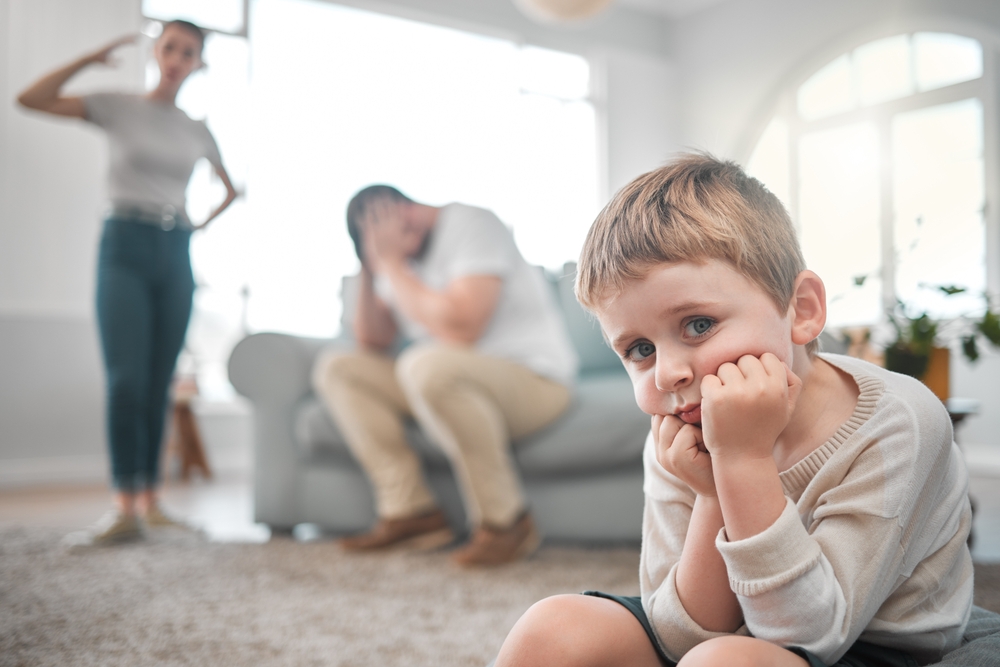
In our busy modern lives, play can sometimes feel like a luxury—something to be squeezed in after the “important” things are done. We fill our children’s days with lessons, scheduled activities, and educational screen time, all with the best intentions of helping them succeed. But in this rush to prepare them for the future, we can sometimes overlook the single most powerful engine of their development: play.
Play is not a break from learning; it is the very work of childhood. It is the way children build their brains, understand their emotions, and learn to navigate the complexities of the world. When children don’t get enough space for self-directed play, it’s not that they are simply missing out on fun. They are missing out on fundamental opportunities for growth.
At Therapy & Play, we want to gently reframe this conversation. This is not about guilt or a call to do more. It is an invitation to see play not as another task on your to-do list, but as an essential nutrient for your child’s well-being. Understanding what happens when play shrinks can empower us to protect it, knowing we are giving our children what they truly need to thrive.
Play Is Not Extra — It Is Part of Healthy Development
The importance of play in early childhood cannot be overstated. We often categorize it as recreation, separate from the “real” learning that happens in more structured settings. But decades of research in child development tell us that play is the primary vehicle for growth.
From a baby shaking a rattle to a group of eight-year-olds inventing a complex game, play is how children test theories, practice skills, and make sense of their experiences. The benefits of play for child development are vast, touching every aspect of their being. It is not just about keeping them entertained; it is a vital part of their journey to becoming capable, resilient, and whole.
How Play Supports the Whole Child
The role of play in development is holistic. It supports:
- Cognitive Growth: In play, children practice problem-solving, critical thinking, and creativity.
- Emotional Health: Play allows children to process feelings, develop empathy, and build emotional resilience.
- Social Skills: Through play, children learn to negotiate, cooperate, share, and see things from another’s perspective.
- Physical Well-being: Active play builds strong bodies, develops coordination, and helps regulate the nervous system.
When we see play through this lens, we understand that protecting time for it is as important as ensuring our children eat well or get enough sleep.
Looking Beyond Entertainment to See Its True Purpose
When we watch a child engrossed in play, it is easy to see only the fun they are having. But underneath that joy is a powerful developmental process unfolding. That child building a tower is learning about physics and persistence. That child caring for a doll is learning about empathy and relationships.
The true purpose of play is not just to pass the time. It is to construct a self. It is the method through which children integrate their experiences and build a foundational understanding of who they are and how the world works.
Sometimes the Absence of Play Is Easy to Miss
We don’t always notice when play begins to disappear. It doesn’t usually vanish overnight. It gets squeezed out slowly by a full schedule, by the lure of screens, or by a cultural pressure to be constantly productive. The signs a child needs more play can be subtle, often disguised as something else.
An overscheduled child might seem successful on the surface—excelling in their lessons and activities. But the lack of free time for kids can mean they are missing the crucial downtime their brains need to process and create.
Full Schedules, Limited Space to Explore
Our desire to give our children every opportunity is a loving one. We sign them up for sports, music, and language classes. While these activities can be enriching, when they fill every corner of a child’s schedule, there is little room left for the kind of aimless, child-led exploration that fuels deep learning.
A child who is always being directed from one activity to the next has fewer chances to practice listening to their own inner voice. They learn how to follow instructions but may have less practice in generating their own ideas.
When Productivity Quietly Replaces Discovery
We live in a culture that values busyness. We often feel that if our children aren’t engaged in a structured, “productive” activity, their time is being wasted. This mindset can lead us to fill every moment, fearing the dreaded sound of “I’m bored.”
But boredom is often the precursor to discovery. It is in the unstructured, “unproductive” moments that a child’s imagination sparks to life. When we replace this space for discovery with constant productivity, we may inadvertently be teaching them that their own spontaneous ideas are not as valuable as adult-directed tasks.
What Children May Be Missing Without Enough Play
When children experience a lack of play, the effects can show up in various ways. It is not about causing alarm, but about understanding the developmental impact of play, or the lack thereof. This is sometimes referred to as play deprivation, and it can subtly undermine a child’s growth.
The unstructured play benefits are not just “nice to have”; they are essential for building a well-rounded, resilient human being. When these opportunities shrink, children miss out on vital practice for life.
Fewer Chances to Practice Social and Emotional Skills
Free play is the primary training ground for social skills. In a game of their own making, children have to negotiate rules, handle disagreements, and learn to compromise. When a conflict arises, there is no adult referee to solve it for them. They have to figure it out.
They also practice reading social cues, taking turns, and understanding the perspectives of others. These skills are far more complex than anything learned in a worksheet and are foundational for healthy relationships throughout life.
Less Room for Creativity, Flexibility, and Problem-Solving
Child-led play is a workout for the creative brain. When children are given a set of simple blocks, they have to generate all the ideas themselves. They build, test, fail, and adapt. This process cultivates cognitive flexibility—the ability to pivot when things don’t go as planned.
Without enough time for this kind of play, children may have fewer opportunities to develop their “problem-solving muscles.” They may become more accustomed to activities with a single right answer, which can make them less comfortable with the ambiguity and uncertainty of real-world challenges.
Play Helps Regulate the Nervous System
One of the most overlooked roles of play is its power to regulate the nervous system. Children experience stress, frustration, and big feelings just like adults do, but they have fewer tools to manage them. Play is one of their primary tools.
Play and emotional regulation are deeply connected. When a child runs, jumps, spins, or gets messy, they are not just having fun; they are discharging pent-up energy and stress from their bodies. Sensory play benefits the brain by providing organizing input that can calm an anxious or agitated state.
Movement, Imagination, and Emotional Release
Active, physical play helps metabolize stress hormones. When a child feels restless or irritable, often what their body needs is not to “calm down,” but to move. Running outside or having a pillow fight can be more regulating than being told to sit still.
Imagination also provides an outlet. Children can process fears by playing the “monster” or work through feelings of powerlessness by playing the “superhero.” Play gives them a safe stage to act out their inner worlds.
Why the Body Often Needs Play Before It Can Settle
Helping kids release energy through play is often a prerequisite for calm and focus. We sometimes ask children to sit for dinner or do homework when their bodies are still buzzing with the day’s energy. Their wiggles and restlessness are not defiance; they are a physiological need.
A short burst of active play before a quiet activity can make a world of difference. It meets the body’s need for movement, allowing the brain to then settle into a state of focused attention.
When Life Moves Quickly, Play Is Often the First Thing to Shrink
In the juggle of modern family life, with dual-working parents, homework, and after-school commitments, it is easy for free play to become a low priority. It is often the softest part of the schedule, the first thing to be cut when time is tight.
Busy family schedules for kids often favor structured activities vs free play because they are predictable and contained. But this balance can easily tip too far, leaving little breathing room for the child-led exploration that is so vital for development.
The Pressure to Keep Children Occupied
There is an underlying societal pressure to keep our children constantly engaged and stimulated. In a world of educational apps and endless enrichment options, unstructured downtime can feel like a missed opportunity. The debate of screen time vs play is a constant presence in many homes.
This pressure can lead us to see our role as a “director of activities” rather than a “protector of space.” We rush to solve our children’s boredom instead of trusting that they can find their own way through it.
Remembering That Growth Doesn’t Require Constant Direction
It is a powerful shift to remember that children are designed to learn and grow without our constant management. They are not passive vessels waiting for us to pour knowledge into them.
Their brains are actively seeking out the experiences they need. Our job is often less about directing them and more about getting out of their way. When we protect their time for self-directed play, we are showing that we trust their innate developmental agenda.
Some Children Show Us They Need More Play
Children often communicate their need for more play through their behavior. When the outlet for play is restricted, the energy and impulses that would normally be channeled into play can come out sideways.
Behavior changes in children are often a signal that something in their world is out of balance. What looks like “misbehavior” is often a child’s best attempt to get a need met.
Big Energy, Frustration, or Withdrawal
A child who seems restless or irritable may be a child whose body is craving more movement. A child who has difficulty with transitions may not have had enough time to complete their play cycle and feel “done.” Emotional outbursts in toddlers and young children can sometimes be a sign of a nervous system that is overstimulated and hasn’t had the chance to reset through play.
Other children might show their need through withdrawal. They may seem more listless, less joyful, or have a harder time engaging with others. This can be a sign that they are missing the connecting, enlivening force of play.
Behavior as Communication, Not Misbehavior
When we view these behaviors as communication, our response changes. Instead of seeing a “naughty” child who needs correction, we see a child who is struggling and needs support.
The question shifts from “How do I make this behavior stop?” to “What is this behavior telling me my child needs?” More often than not, the answer involves more space, more connection, and more play.
Play Supports Skills Children Carry Into Everyday Life
The skills honed in the playroom are not left behind when play is over. They become the foundation for how a child navigates the world. The benefits of play are long-term, contributing to a child’s capacity for success and well-being far into the future.
Executive functioning development, which includes skills like planning, focus, and self-control, is strongly supported by play. In a game, a child has to hold the rules in their mind, resist the impulse to cheat, and adjust their strategy as the game unfolds.
Planning, Adjusting, Trying Again
Resilience in children is built through the small failures of play. When a block tower falls, the child learns that setbacks are not catastrophic. They have the chance to plan a new design, adjust their technique, and try again.
This cycle builds a growth mindset—the belief that one’s abilities can improve with effort. This is far more valuable than the belief that one must always be perfect.
Growing the Capacity to Navigate Challenges
Independence and child development are also linked to play. When a child solves a problem on their own during play, they bank a piece of evidence that they are capable. This growing sense of competence fuels confidence in early childhood. They learn to trust their own minds and to face challenges with a sense of agency rather than helplessness.
Parents Often Wonder If They’re “Doing Enough”
It is easy to read about the importance of play and feel a wave of parenting self-doubt. In a world of information overload, it is common to feel worried about child development and whether we are providing the “right” experiences.
The pressure to be a perfect parent is immense, but it is also an illusion. What our children need most is not a perfect parent, but a present and “good-enough” parent who loves them and trusts their developmental process.
Letting Go of the Idea of Perfect Balance
There is no magical formula for the perfect balance of activities and free play. Life has seasons. Some weeks will be busier than others. The goal is not perfection, but intention.
Letting go of the idea of perfect balance and focusing on the overall rhythm of your family life can be freeing. Are there pockets of time for connection? Is there some unstructured space in the week? That is often enough.
Trusting That Small Shifts Can Make a Meaningful Difference
Supporting development at home doesn’t require a complete overhaul of your life. Small shifts can have a big impact. It might mean saying “no” to one activity to protect a free afternoon. It might mean turning off the TV 20 minutes earlier to allow for some quiet floor time. Trust that these small, intentional choices add up.
Creating More Space for Play Doesn’t Require Reinventing Your Day
The idea of how to encourage more play can feel overwhelming. It can seem like another thing to add to an already packed schedule. But often, making time for play is more about subtracting than adding.
It is about finding opportunities for unstructured play at home within the existing rhythms of your day, rather than creating elaborate new activities.
Protecting Open Time
Look at your family’s weekly schedule. Where is the white space? Protect it fiercely. Treat that unstructured afternoon as just as important as a scheduled lesson. This open time is when your child’s own ideas have a chance to surface.
Allowing Play to Be Child-Led
When you do have time for play, resist the urge to direct it. Let your child lead. This can be hard for us as adults! We want to show them the “right” way to build or suggest a better game.
But when we step back, we allow them to own their play. This is where the deep learning happens. You can still be involved by being an interested observer or a willing assistant to their plans (“You need a blanket for your fort? I can help with that!”).
Connection Often Grows Naturally Inside Playful Moments
One of the most beautiful side effects of making more space for play is the opportunity it creates for connection. Bonding through play is powerful because it happens on the child’s terms, in their native language.
Parent child connection activities don’t need to be complicated. They just need to be shared. The quality time with children that we all crave often happens not in grand gestures, but in small, playful interactions.
Why Togetherness Matters More Than Complexity
Joining your child on the floor for five minutes to roll a ball back and forth can be more connecting than an elaborate, parent-planned craft project. The complexity of the activity matters far less than the quality of the shared attention.
Attachment and play are linked because when we enter our child’s world of play, we send a powerful message: “I see you. You are important to me. I enjoy being with you.”
Even Brief Moments Can Strengthen Relationship
You don’t need hours of uninterrupted playtime to build connection. A moment of silliness while getting dressed, a shared joke in the car, or a two-minute dance party in the kitchen can all fill your child’s emotional cup. These brief moments weave a thread of connection through the fabric of your day.
When Play Continues to Feel Out of Reach
Sometimes, even when we create space and reduce pressure, a child may still struggle to engage in play. If play continues to feel hard for them, or if a child is not engaging in play in a way that feels developmentally appropriate, it may be a sign that they need a different kind of support.
Looking at the larger developmental picture can be helpful. Are there sensory sensitivities, developmental concerns with play, or early childhood behavioral concerns that are getting in the way?
Looking at the Larger Developmental Picture
If a child’s lack of play is accompanied by other challenges—such as significant struggles with regulation, social connection, or communication—it may be worth exploring further.
These are not signs of failure, but simply signals that your child’s brain and body may need some extra help to find their way to a sense of safety and ease.
Support Can Help Restore a Sense of Ease
When to seek support for child development is a personal decision, but you don’t have to wait until things feel like a crisis. If you are worried, seeking a consultation with a child development specialist or a play therapist can provide clarity and relief.
Professional support can help identify any underlying barriers to play and give you tailored strategies to help your child’s system feel safe enough to engage. Sometimes, a little targeted support is all that is needed to help a child find their way back to play.
Play Is One of Childhood’s Most Natural Resources
Play is not a reward to be earned after the work is done. It is the work. It is a fundamental, non-negotiable part of a healthy childhood. It is the natural resource children use to grow, to heal, and to become themselves.
Making room for what helps children thrive often means simplifying, slowing down, and trusting in the power of play.
Making Room for What Helps Children Thrive
Our role as parents is not to be a cruise director, but a harbor. We provide the safety and the space from which our children can set sail on their own adventures. By protecting their right to play, we are honoring their developmental journey and giving them one of the most important tools for a happy and resilient life.
Trusting Play as a Pathway for Growth
The lifelong benefits of play are immeasurable. When we trust play as a valid and vital pathway for growth, we can relax our grip. We can let go of the pressure to constantly teach and instead embrace the role of being a curious, supportive witness to the incredible process of a child at play.
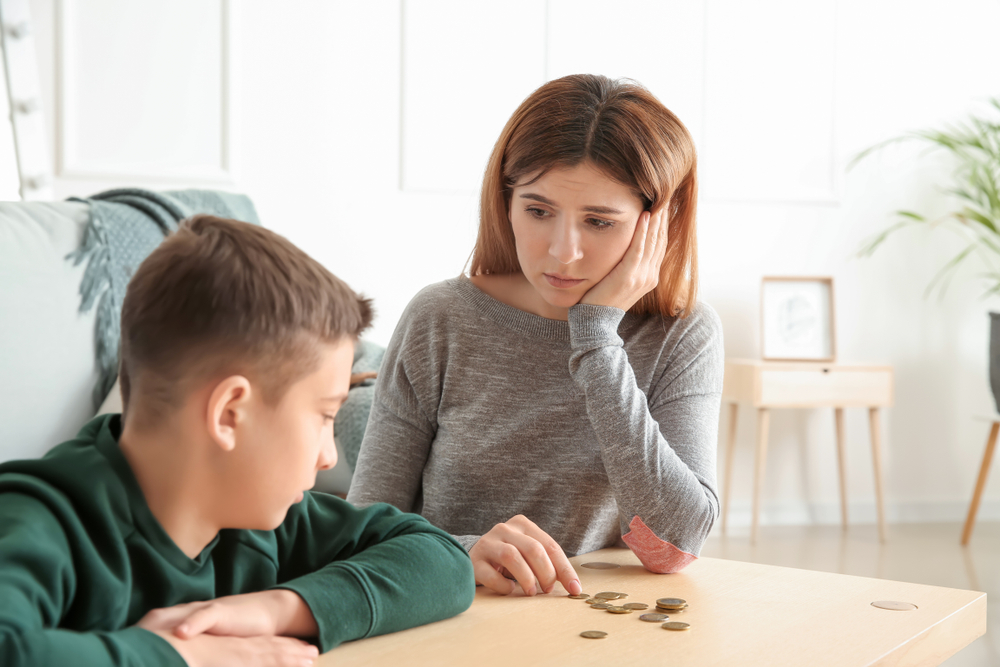
We tend to think of play as the universal language of childhood—a joyful, effortless instinct that bubbles up naturally in every child. We expect children to run toward the playground, dive into the dress-up bin, or eagerly join a game of tag. Because play is so often synonymous with childhood itself, it can be confusing and deeply worrying when a child seems to turn away from it.
You might notice a hesitation at the edge of the park while other children rush in. You might see a turning away when a new toy is offered, or a sudden quietness that descends when the energy in the room gets loud. For parents, these moments can spark a cascade of questions. Is something wrong? Are they unhappy? Why does everything feel so hard?
At Therapy & Play, we want to start by offering a deep breath. Resistance to play is not a failure of childhood, and it is rarely just “bad behavior.” It is a signal. It is a way your child’s body and mind are communicating something that they likely don’t have the words to say. When we can look past the resistance and see the need underneath, we often find that what looks like refusal is actually a request for safety.
Play Usually Comes Naturally — So When It Doesn’t, Parents Often Notice
Most of the time, children move toward play like plants move toward sunlight. It is their primary way of learning, connecting, and processing their world. So, when that natural impulse seems blocked, it stands out.
You might be searching for answers because your toddler refuses to play with peers, preferring to stand by your leg. Perhaps you have a child not interested in playing with toys that used to delight them. Or maybe you find yourself asking, “Why won’t my child play at school or parties?” It is a distinct kind of heartache to watch your child sit on the sidelines of their own childhood.
Trusting the Moment You Begin to Wonder
That quiet nudge in your gut—the one that says, “This feels different”—is valuable. Parents are the keenest observers of their children. You know the difference between a child who is simply tired and a child who is consistently avoiding engagement.
Trusting that observation doesn’t mean you need to panic. It simply means you are tuned in. When a child avoids activities they would typically enjoy, or seems unable to cross the threshold into play, acknowledging it is the first step toward understanding it. It is an invitation to lean in closer, not to fix the behavior immediately, but to understand the experience behind it.
Looking With Curiosity Instead of Jumping to Conclusions
In our worry, our minds often race to the worst-case scenario. We worry about social skills, about future happiness, about development. But curiosity is a powerful antidote to anxiety. Instead of asking, “What is wrong with my child?”, we can try asking, “What is this behavior doing for my child?”
If we view the resistance not as a problem to be solved but as a puzzle to be understood, the dynamic shifts. We move from a place of pressure (“Go play!”) to a place of support (“I’m here with you.”). This shift alone can lower the temperature of the interaction, making space for connection to grow.
Play Is a Window Into How a Child Is Experiencing Their World
We often rely on spoken language to tell us how someone is feeling. But for young children, play—and the absence of play—is their most articulate language. Behavior is communication for a child. When words are inaccessible or insufficient, their actions (or inaction) do the talking.
Understanding child behavior often requires us to look at the context of their play. Is the play chaotic and fragmented? Is it rigid and repetitive? Or, in this case, is it absent? When a child withdraws from play, they are often telling us something about their internal sense of safety and regulation.
What Children Show Us Without Words
Emotional signals in children are often physical. A child who is feeling unsure might physically make themselves smaller. A child withdrawal meaning might be rooted in a need to reduce sensory input.
They aren’t trying to be difficult; they are trying to manage their internal experience. If the world feels too big, too loud, or too unpredictable, stepping back is a logical strategy. It is a way of saying, “I need to assess this before I can engage with it.” By reading these non-verbal cues, we can begin to see the world through their eyes.
Moving Beyond “Good” or “Difficult” Behavior
It is easy to label a child who won’t join in as “stubborn,” “shy,” or “difficult.” But these labels shut down our understanding. They imply that the child is making a conscious choice to be uncooperative.
In reality, most resistance to play is driven by the nervous system, not the will. When we move beyond the binary of “good behavior” (joining in) and “bad behavior” (refusing), we can see the child’s struggle with compassion. We can see that they are doing the best they can with the resources they have in that moment.
Resistance Often Has a Protective Purpose
Imagine you are standing at the edge of a cliff. Your body would instinctively pull back. You wouldn’t jump, no matter how much someone encouraged you. That hesitation is protection. For some children, entering a play situation can feel, to their nervous system, a bit like standing at the edge of a cliff.
When a child is resistant to activities, it is helpful to view that resistance as a shield. They are protecting themselves from something—whether it is fear of failure, sensory overwhelm, or social anxiety. Understanding why children avoid things starts with respecting that their body is trying to keep them safe.
When “No” Is the Safest Answer a Child Has
For a child who feels unsure or unsafe, “no” is a powerful boundary. It is a way to exert control in a situation where they feel out of control. Refusing to join the circle time or refusing to touch the finger paint is a way of saying, “This is my limit right now.”
Emotional avoidance in children often looks like disinterest or defiance. But beneath the “I don’t want to” is often “I don’t think I can.” By honoring their “no,” we validate their autonomy. Paradoxically, feeling heard when they say “no” is often what eventually helps them feel safe enough to say “yes.”
Respecting the Intelligence Behind Self-Protection
Protective behaviors in kids are intelligent. If a child has experienced that loud noises hurt their ears, avoiding the birthday party is a smart move. If a child feels unsure about their motor skills, avoiding the climbing structure is a way to prevent a fall.
Instead of trying to dismantle their defenses immediately, we can appreciate the intelligence behind them. We can acknowledge, “It makes sense that you want to stay here where it’s quiet.” When a child feels that we understand their need for protection, they don’t have to fight so hard to defend themselves.
Avoidance Can Be a Sign a Child Feels Overwhelmed
We live in a high-stimulation world. Bright lights, busy schedules, loud noises—it can be a lot for a developing nervous system to process. For some children, avoidance is simply a sign that their cup is full.
Overwhelmed child signs can be subtle. It might look like a child hiding under a table, covering their ears, or becoming unusually clingy. Sensory overload in children is a common driver of play refusal. If the brain is busy trying to manage the sensory environment, it has no energy left for the creativity and social engagement that play requires.
Too Much, Too Fast, Too Unpredictable
Anxiety in young children often spikes when things feel unpredictable or rushed. If a child feels like they are being dragged from one activity to the next without time to transition, they may dig their heels in.
Play requires a sense of ease. If a child is in a state of high alert—waiting for the next transition or the next loud noise—they cannot settle into the flow of play. A child shuts down easily when the demands of the environment exceed their capacity to cope. They aren’t trying to be difficult; they are trying to slow the world down.
How the Nervous System Signals “I Need a Pause”
Our nervous systems have a built-in brake pedal. When stimulation gets too high, the body signals a need for a pause. For an adult, this might look like taking a deep breath or stepping outside. For a child, it might look like staring blankly at a wall or refusing to answer a question.
This avoidance is a regulatory strategy. By reducing the amount of input they have to deal with, the child is trying to bring their nervous system back to baseline. Recognizing this need for a pause allows us to support their regulation rather than forcing them to push through it.
Shutdown Is Often Misunderstood
There is a difference between a child who is actively resisting—crying, yelling “no”—and a child who has gone quiet and still. This quietness is often described as “shutdown.”
Child emotional shutdown can be confusing for parents. It might look like the child is zoning out, daydreaming, or ignoring you. But physiologically, this can be a sign of the “freeze” response.
When a Child Goes Still Instead of Reacting
The freeze response in children happens when the nervous system perceives a threat (real or imagined) that feels inescapable or overwhelming. Instead of fighting or fleeing, the body immobilizes.
A child who is frozen isn’t choosing to be quiet; they are physiologically unable to engage. Quiet child behavior meaning can vary, but when it is accompanied by a glazed look, shallow breathing, or a lack of responsiveness, it is likely a safety response.
Understanding the Brain’s Safety Response
When a child is disengaged in this way, their brain has shifted into survival mode. The parts of the brain responsible for social connection, language, and play have gone offline.
Attempting to force a child out of shutdown by demanding they play or talk usually backfires. It adds more pressure to an already overwhelmed system. The antidote to shutdown is not demand; it is gentle, low-pressure safety. It is sitting quietly nearby until the nervous system realizes the threat has passed.
Temperament Plays a Role in How Children Approach Play
Not every child is a rough-and-tumble extrovert who loves new experiences. Child temperament differences play a huge role in how they approach play. Some children are naturally “slow to warm up.”
A cautious child development path is normal and healthy. These children prefer to observe before they participate. They need to understand the rules, the layout, and the people involved before they feel comfortable joining in.
Some Children Observe Before Joining
Sensitive children traits often include a high level of observation. You might see your child standing on the edge of the playground, watching intently. They aren’t necessarily unhappy; they are working. They are mapping the social dynamics, assessing the risks, and gathering data.
This observation phase is a form of engagement. They are participating mentally even if they aren’t participating physically. Pushing them to “go play” before they are ready can interrupt this important process and increase their anxiety.
Honoring a Child’s Natural Pace
We live in a fast-paced culture that values jumping in. But there is wisdom in the cautious approach. Honoring a child’s natural pace communicates that they are okay just as they are.
If we can validate their need to watch—”It looks like you’re checking things out. Take your time”—we give them the permission they need to regulate themselves. Often, once they have completed their observation, they will join in comfortably and confidently on their own terms.
Past Experiences Can Shape How Safe Play Feels
Children have long memories, especially when it comes to how their bodies felt in certain situations. If a child has had a negative experience—a scary fall, a conflict with a peer, or a separation that felt traumatic—it can shape how they approach play in the future.
A child fearful of new activities might be remembering a time when “new” felt “unsafe.” The effects of stress on children can linger in the nervous system, making them more vigilant and less likely to let their guard down for play.
When the Body Remembers Before the Mind Understands
Sometimes, a child might not be able to articulate why they don’t want to play. They might not consciously remember the scary dog at the park three years ago, but their body remembers the feeling of fear associated with that place.
Early experiences and development are intertwined. Transitions and child behavior are often flashpoints for these memories. If transitions have historically been stressful, a child might resist moving into play because the transition itself feels threatening.
Safety Often Needs to Be Rebuilt Gradually
If play has felt unsafe in the past, we cannot simply tell a child, “It’s okay now.” Safety is a felt sense, not a logical argument. It needs to be rebuilt gradually, through repeated positive experiences.
This might mean starting with very small, controlled doses of play. It might mean staying right by their side until they signal they are ready to explore. Rebuilding this trust takes time, but it is the foundation for genuine, joyful engagement.
Connection Helps Play Feel Possible Again
When a child is stuck in resistance or shutdown, they feel alone in their experience. The bridge back to play is almost always connection. Helping a child feel safe starts with our presence.
Parent child connection strategies are not about fixing the problem; they are about being with the child in the problem. When a child feels our calm, steady presence, they can borrow our regulation. This process, called co-regulation for children, helps their nervous system settle enough to consider playing.
Staying Close Without Pushing
Building trust with your child in these moments means showing up without an agenda. It means sitting on the floor next to them without handing them a toy. It means offering a hug without asking them to talk.
“I’m here. I’m not going anywhere.” This message is powerful. It removes the pressure to perform and replaces it with the assurance of support. When the pressure lifts, curiosity often has a chance to peek through.
Letting the Relationship Lead
In therapy, we often say that the relationship is the intervention. The same is true at home. If play feels hard, focus on the relationship first.
Forget about the activity or the game. Focus on the moment of connection between you and your child. A shared smile, a gentle touch, a quiet moment of looking at the same thing—these are the building blocks of safety. When the relationship feels solid and safe, play often follows naturally.
Gentle Ways Parents Can Support Without Forcing Participation
It is painful to watch our children sit out. We want to encourage them. But there is a fine line between encouragement and pressure. Parenting a resistant child requires a delicate touch.
How to encourage play without forcing it involves shifting our role from “director” to “facilitator.” We can set the stage, but we cannot force the actor onto it.
Making Space Instead of Creating Pressure
Supporting hesitant children means creating invitations, not demands. Instead of saying, “Go build with blocks,” you might simply start building with blocks yourself, quietly and happily, near them.
This “parallel play” takes the spotlight off the child. They are free to watch, to come closer, or to ignore it. By taking the pressure off, we lower the barrier to entry. Encouraging engagement gently can also look like offering choices. “Would you like to watch from here, or would you like to sit on my lap?”
Celebrating Small Steps Toward Engagement
Progress doesn’t always look like jumping into the middle of the game. Sometimes, progress looks like standing a little closer. Sometimes it looks like holding a toy even if they don’t play with it.
Celebrating these small steps—internally or with a quiet smile—helps us stay patient. If we only count “full participation” as success, we miss the brave, small movements a child is making toward connection.
When to Look a Little Closer
While much resistance is normal and protective, there are times when it signals a deeper need. Developmental concerns play out in behavior. If a child consistently avoids play across all settings, or if the struggle seems to be impacting their ability to function or connect, it may be time to look closer.
Signs child may need support include a regression in skills, extreme distress during play, or a pervasive lack of interest in social interaction. Social withdrawal children experience is different from being an observer; it feels more like an inability to connect despite wanting to.
Patterns That Persist Over Time
We all have bad days or off weeks. But if you notice patterns that persist over time—months of shutdown, consistent avoidance of sensory experiences, or an inability to recover from small upsets during play—these are signs that the child’s nervous system might need some extra support.
Early intervention signs are not something to fear. They are signposts pointing toward the help that can make life easier for your child.
Trusting Your Instinct While Seeking Perspective
If you feel that something is getting in the way of your child’s happiness, trust that instinct. Seeking perspective from a developmental psychologist or play therapist is not an admission of failure. It is a proactive step toward understanding.
Professionals can help untangle whether the resistance is sensory, emotional, relational, or developmental. Having clarity can be an enormous relief, transforming worry into a clear path forward.
You Are Not Alone in Wondering About Your Child
Parenting a child who struggles with play can feel isolating. When you look around the playground, it can seem like everyone else’s child is playing easily. But parenting worries like this are incredibly normal and common.
Uncertainty in parenting is part of the job description. But you don’t have to carry the worry alone. There are many families navigating similar paths, asking the same questions.
Many Attentive Parents Ask These Same Questions
“Why is this so hard?” “Did I do something wrong?” These are questions we hear often at Therapy & Play. They come from parents who love their children deeply and want them to feel free and joyful.
Support for parents of young children is available because this work is hard. Acknowledging that it is hard doesn’t make you a bad parent; it makes you a human one.
Support Can Bring Clarity and Relief
Sometimes, just talking through your observations with a professional can lower the anxiety in the entire household. When parents feel supported and understood, they are better able to support their children.
Clarity brings relief. Knowing why play feels hard changes the way you respond to it. It shifts the dynamic from frustration to compassion, and that shift changes everything.
With Safety and Support, Play Often Finds Its Way Back
The beautiful thing about children is their resilience. Their drive to play is strong, even if it has gone dormant for a while. Helping children re-engage is not about forcing the bud open; it is about watering the soil.
Building confidence in children happens slowly, in the safety of relationship. As they feel safer in their bodies and with you, the protective walls can start to come down.
Trusting the Child Beneath the Hesitation
Emotional safety in childhood is the foundation. When we focus on safety first, play eventually returns. It might look different than you expected. It might be quieter, or slower. But it will be theirs.
Trust the child beneath the hesitation. They are in there, watching, waiting, and wanting to connect.
Growth Happens in Relationship
Resilience in early development is woven through the threads of connection. Your patience, your presence, and your willingness to understand their struggle are the most powerful tools you have.
You don’t have to fix their play. You just have to be with them in the process. And often, simply being with them is enough to help them find their way back to the joy of being a child.
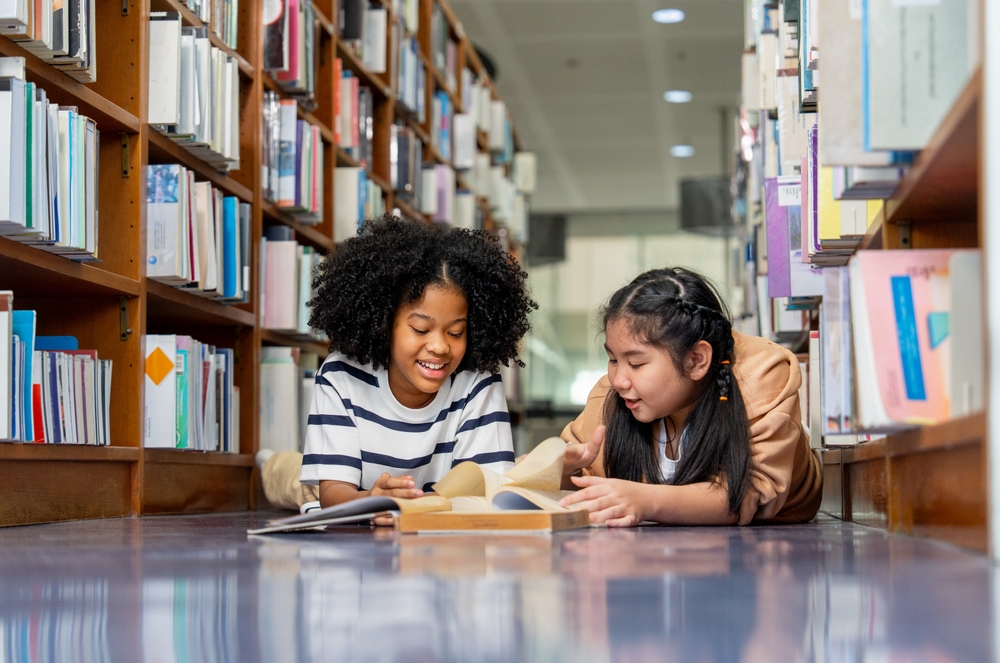
We often think of problem-solving as a serious skill—something we use to fix a broken appliance, resolve a conflict at work, or navigate a financial crisis. We imagine furrowed brows and logical analysis. But for children, the roots of this essential life skill are planted in soil that looks much different. They are planted in the sandbox, the dress-up bin, and the scattered Lego bricks on the living room floor.
Play is the laboratory where children first encounter the unexpected. It is where they learn that plans can change, that towers can fall, and that there is almost always another way to try. When a child figures out how to make a bridge stay up or how to share a toy with a friend, they are doing profound cognitive work. They are learning to think flexibly, to adapt to challenges, and to trust their own capacity to figure things out.
At Therapy & Play, we view creative problem-solving not as a test of intelligence, but as a measure of resilience. It is about adaptability. It is about the quiet confidence that says, “I don’t know the answer yet, but I can try.” By understanding how play nurtures this flexibility, parents can support their children in becoming not just better thinkers, but more resilient human beings.
Problem-Solving Begins in Play, Not in the Classroom
There is a cultural tendency to rush children toward academic milestones. We worry about when they will read, write, or do math. But long before a child sits at a desk to solve a math equation, they must learn how to solve the problems of their physical and social world.
Problem-solving skills in early childhood are developed through hands-on experience. A child trying to fit a square block into a round hole is engaging in early physics and geometry. They are testing a hypothesis (“This block fits here”), encountering failure (“It doesn’t fit”), and revising their strategy (“I need to find a different hole or a different block”). This cycle of inquiry is the foundation of all future learning.
Why Young Children Learn by Experimenting
Young children are natural scientists. They do not learn best by being told the answer; they learn by experimenting. They drop food from the highchair to see if it always falls down. They push a button repeatedly to see if it always makes the same sound.
Learning through play allows this experimentation to happen in a low-stakes environment. If an experiment fails in play—if the sandcastle collapses—the consequences are manageable. This safety encourages children to take intellectual risks. They are free to ask “What if?” without the fear of being wrong. This freedom is essential for cognitive development through play, as it builds the neural pathways associated with curiosity and analysis.
Discovery Often Matters More Than the “Right” Answer
In school, there is often one right answer. In play, there are infinite possibilities. When a child is building a fort, there isn’t a blueprint they must follow. They have to discover what works through trial and error.
Early thinking skills are honed in this process of discovery. The value lies in the struggle to make the blanket stay up, not just in the finished fort. When we focus too much on the outcome—on the “right” way to do things—we rob children of the rich cognitive work of figuring it out themselves. The process of discovery teaches them how to learn, which is far more valuable than any single fact they might memorize.
Creativity Is Less About Talent — and More About Freedom to Explore
We often speak of creativity as a special talent that only some people possess—the artists, the musicians, the inventors. But in the context of child development, creativity is a fundamental human capacity. It is simply the ability to bring something new into existence or to see the world in a new way.
Creativity in children thrives not on instruction, but on freedom. It grows when there is space to explore without judgment. When we step back and allow children to direct their own play, we are giving them the license to be creative.
When There Is No Single Outcome
Structured activities have their place, but they often have a predetermined outcome. A coloring book asks you to stay within the lines. A Lego kit asks you to follow the instructions. But imaginative play benefits the brain precisely because there is no single outcome.
A cardboard box can be a spaceship, a race car, or a cave. This open-endedness requires the child to generate ideas from within. How to encourage creativity isn’t about teaching them art techniques; it’s about providing materials and time where the destination isn’t mapped out for them.
Possibility as a Starting Point for Thinking
Creative development in early childhood is about expanding the horizon of what is possible. When a child engages in pretend play, they are practicing “divergent thinking”—the ability to generate multiple solutions to a single problem.
If they are playing “restaurant” and run out of plastic food, they might decide that leaves can be salad or stones can be potatoes. This mental flexibility—seeing a stone as a potato—is a sophisticated cognitive leap. It trains the brain to look beyond the obvious and to find potential where others might see only limitations.
Flexible Thinking Grows Through Unexpected Moments
Life rarely goes exactly according to plan. The ability to pivot when things go wrong is one of the most critical skills for mental health and success. This skill, known as cognitive flexibility, is practiced daily in the world of play.
Cognitive flexibility in children is the brain’s gear shifter. It allows them to switch focus, adjust to new rules, or change their perspective. Adaptable thinking kids are not born that way; they become adaptable by encountering unexpected moments and surviving them.
When Plans Change Mid-Play
Imagine a group of children playing tag. Suddenly, one child shouts, “The ground is lava!” Instantly, the rules of the game change. Everyone must scramble to find higher ground. The children who can shift gears quickly stay in the game.
This is flexible problem solving in action. Play is full of these shifts. A toy breaks. A friend wants to change the plot of the story. It starts raining. Each of these moments forces the child to reassess the situation and form a new plan.
Learning to Shift Without Falling Apart
For many children, change is hard. Rigidity can feel safer than flexibility. But play provides a safe container to practice flexibility. Because the child is motivated to keep playing, they are often more willing to tolerate a change in plans than they would be in “real life.”
Executive functioning development involves learning to manage frustration when things don’t go your way. When a child learns to say, “Okay, the red block is missing, so I’ll use two blue ones instead,” they are building the neural architecture for resilience. They are learning to shift without falling apart.
Trial and Error Builds the Brain’s Capacity to Adapt
No one likes to fail. But failure is the primary mechanism of learning. In the safe world of play, failure is just feedback. A tower that falls over isn’t a personal indictment; it’s just physics telling you that your base was too narrow.
Learning from mistakes for children is less painful in play because they are in control. They can immediately try again. This iterative process—try, fail, adjust, try again—builds a brain that sees obstacles as challenges to be overcome, rather than walls to stop at.
Trying Again With New Information
When a child’s initial plan doesn’t work, they have a choice. They can give up, or they can use the new information they have gathered to try a different approach. Resilience through play is built in that split second of decision.
Perhaps they try to pour water into a bucket, but it has a hole. Now they know: buckets with holes don’t hold water. Next time, they might look for a bucket without a hole, or they might try to patch it with mud. Brain development and problem solving are inextricably linked to this willingness to engage with error.
How Persistence Quietly Strengthens Confidence
We cannot give our children confidence by telling them they are great. True confidence is earned. It comes from the internal knowing that “I can do hard things.”
Growth mindset in early childhood is nurtured when a child persists through difficulty and eventually succeeds. The pride on a child’s face when they finally master the monkey bars or finish a complex puzzle is the fruit of persistence. They learn that their effort matters, and that they have the power to change an outcome through their own actions.
Imaginative Play Expands What Children Believe Is Possible
Imagination is often dismissed as “make-believe,” implying it isn’t real or useful. But imagination is the precursor to all innovation. Before someone could build an airplane, they had to imagine that humans could fly.
Pretend play and development go hand in hand because imagination allows children to practice inhabiting different realities. They can be powerful, they can be caretakers, they can be explorers. This expands their sense of self and their understanding of the world.
Stepping Into Different Roles
When children role-play, they step out of their own egocentric perspective and into the shoes of another. To play the “mommy” or the “doctor” or the “teacher,” they have to imagine how that person thinks, feels, and acts.
Role play child development supports social problem-solving. It allows them to practice empathy and to understand that different people have different motivations. This is crucial for navigating complex social relationships later in life.
Practicing Solutions Before They’re Needed
Symbolic play benefits children by acting as a dress rehearsal for life. Children often play out scenarios that confuse or scare them—a trip to the doctor, a scolding from a parent, a fight with a friend.
By re-enacting these scenes in play, they can manipulate the outcome. They can practice different solutions. They can be the doctor instead of the patient. This gives them a sense of control and mastery over their experiences, reducing anxiety and helping them process difficult emotions.
Open-Ended Materials Invite Deeper Thinking
The toy industry is filled with toys that do the thinking for the child—toys that talk, light up, and have a specific button to press. While these can be entertaining, they often lead to shallow play. Once the child figures out what the toy does, the play is over.
Open ended toys benefits are found in their simplicity. Blocks, scarves, sticks, water, sand. These materials don’t have a script. They require the child to impose meaning onto them.
Why Simpler Often Leads to Richer Play
Toys that encourage creativity are often the simplest ones. A set of wooden blocks requires the child to understand balance, symmetry, and structure. They have to plan, execute, and revise.
Unstructured play materials invite the child to be the active agent. The child is the one doing the playing, rather than watching the toy perform. This active engagement keeps the brain turned on and tuned in.
Letting Children Decide What Something Can Become
Problem solving activities for kids don’t need to be worksheets or logic puzzles. Give a child a cardboard box and some markers, and watch them solve problems. How do I make a door? How do I attach the roof? How do we all fit inside?
When we let children decide what something can become, we validate their ideas. We tell them that their vision is important. This encourages them to trust their own creative instincts and to look at the world as a place of potential, not just a collection of fixed objects.
Struggle in Play Is Often Where Growth Happens
It is excruciating to watch our children struggle. When they can’t get the puzzle piece to fit or their drawing doesn’t look the way they want, our instinct is to jump in and fix it. We want to spare them the frustration.
But productive struggle in child development is essential. It is in the gap between “I can’t do it” and “I did it” that the brain grows the most. If we bridge that gap for them, we rob them of the victory.
Sitting Nearby Without Solving It
Frustration tolerance in children is a muscle that needs to be exercised. We can support them not by fixing the problem, but by being a calm presence while they wrestle with it.
Helping kids work through challenges means sitting on your hands. It means saying, “I see you are frustrated. That piece is tricky,” rather than, “Here, turn it this way.” Your presence offers safety, which lowers their anxiety enough for their thinking brain to come back online and solve the problem.
Supporting Without Taking Over
Building perseverance requires a delicate balance. We don’t want them to be so overwhelmed that they give up in despair, but we don’t want to make it easy. We can offer “scaffolding”—small hints or questions that nudge them in the right direction without doing the work for them.
“I wonder what would happen if you used the bigger block on the bottom?” is a scaffold. It supports their thinking without replacing it. This approach respects the child’s autonomy and capabilities.
Creative Problem-Solving Is Closely Linked to Emotional Resilience
We often think of problem-solving as a cognitive skill and resilience as an emotional one. But they are two sides of the same coin. The ability to solve problems reduces feelings of helplessness.
Resilience in early childhood is built on the belief that one can influence one’s environment. When a child encounters a barrier and figures out a way around it, they are banking evidence of their own competence.
Recovering When Something Doesn’t Work
Emotional resilience in children is not about never feeling sad or frustrated. It is about the ability to bounce back. When a game goes wrong or a creation breaks, the child experiences a micro-crisis.
Coping skills development happens in the recovery. Can they take a deep breath? Can they ask for help? Can they start over? Play provides a safe training ground for these emotional recoveries.
Discovering “I Can Handle This.”
Adaptability in kids leads to an internal narrative of strength. Instead of engaging in catastrophic thinking (“Everything is ruined!”), the adaptable child learns to think, “This is a bummer, but I can handle it. I can fix it or make something new.”
This shift from helplessness to agency is one of the most important gifts of creative problem-solving. It prepares them to face the inevitable challenges of life with a grounded sense of hope.
Parents Support Thinking by Staying Curious Themselves
Children learn as much from watching us as they do from listening to us. If we approach problems with anxiety or rigidity, they will too. If we approach challenges with curiosity and flexibility, they will learn to do the same.
How parents encourage problem solving starts with our own mindset. Are we willing to not know the answer? Are we willing to make mistakes in front of our children?
Wondering Alongside Your Child
Raising independent thinkers doesn’t mean leaving them alone. It means thinking with them. Instead of being the expert who dispenses knowledge, be a fellow explorer.
Supportive parenting strategies often involve the phrase “I wonder.” “I wonder why that happened?” “I wonder what we could try next?” This invites the child into the problem-solving process as a peer. It validates their curiosity and encourages them to formulate their own theories.
Allowing Space for Their Ideas
Scaffolding child development means creating space for their ideas, even the ones we know won’t work. If a child wants to build a tower on a soft pillow, we might know it will fall. But letting them try (and fail) is a far more powerful lesson than telling them “No, that won’t work.”
When we respect their ideas enough to let them test them, we build their intellectual self-esteem. We teach them that their thoughts are worth pursuing.
Not All Children Approach Challenges the Same Way
Just as adults have different working styles, children have different play styles. Some dive in headfirst; others stand back and observe. Temperament and problem solving are linked.
Normalizing these differences helps us support the child we have, rather than the child we think we should have. There is no one “right” way to be a problem solver.
Some Dive In
The risk-taking child learns by doing. They are the ones who climb to the top of the tree before figuring out how to get down. They learn through direct physical experience and often have a high tolerance for failure.
While this can be nerve-wracking for parents, this boldness is a strength. Our role is to help them pause just long enough to ensure safety, without dampening their spirit.
Others Observe Before Trying — Both Are Meaningful
The cautious child or the child who avoids challenges might look like they aren’t engaging. But often, they are doing deep cognitive work from the sidelines. They are observing, analyzing, and running simulations in their minds before they make a move.
Developmental differences in thinking mean that this observational phase is valid. We don’t need to push them to jump in before they are ready. Their caution is often a sign of thoughtfulness and precision.
When Parents Begin to Worry About Their Child’s Flexibility
It is natural to worry if your child seems particularly rigid or falls apart at every small transition. If a child struggles with transitions or seems stuck in repetitive play loops, parents might wonder if something deeper is going on.
Rigid thinking in children can be a sign of anxiety or a developmental difference, but it can also just be a phase or a temperament trait.
Looking at the Whole Child
Difficulty adapting in a child should be looked at in context. Are they rigid only when tired or hungry? Are they flexible at home but rigid at school? Looking at the whole picture helps us understand the behavior.
When to seek developmental support depends on how much it impacts their daily life. If the rigidity is preventing them from playing with friends, participating in family life, or causing significant distress, it is worth exploring further with a professional.
When Gentle Support Can Help Expand Possibility
For children who get stuck, gentle support can help expand their world. We can introduce small variations in play. “What if the train went this way today?” We can prepare them for changes in advance.
The goal is not to force flexibility, but to stretch their tolerance for it slowly, in safe and manageable increments. Therapy & Play specializes in helping families navigate these stuck points with compassion and developmental insight.
The Goal Isn’t Perfection — It’s Adaptability
We live in a world that is changing faster than ever. We cannot predict what jobs our children will have or what problems they will need to solve in twenty years. We cannot prepare them for every specific scenario.
But we can prepare their minds. Lifelong problem solving skills are not about knowing all the answers; they are about knowing what to do when you don’t know the answer.
Raising Children Who Can Adjust, Not Just Achieve
Adaptable children are resilient children. They are the ones who can handle a setback, pivot, and keep going. This adaptability is far more predictive of long-term well-being than a perfect report card.
Confidence and independence grow from the knowledge that “I can adjust.” By valuing play and the messy, chaotic process of problem-solving, we are giving our children the tools they need to navigate an unpredictable future.
Carrying Creativity Into Everyday Life
Skills for future success start in the playroom, but they don’t stay there. The child who learns to think outside the box with Legos becomes the adult who can think outside the box in their career and relationships.
When we nurture creative problem-solving in play, we are nurturing a way of being in the world—a way that is curious, flexible, and full of possibility.
As parents, we want so much for our children. We hope they will be kind, happy, and resilient. And deep down, we hope they will develop a love of learning—an inner spark that drives them to explore, question, and discover the world around them. We often associate this with school, with books, and with formal education. But what if this lifelong love of learning doesn’t begin at a desk, but in a pile of mud, a cardboard box spaceship, or a quiet moment watching an ant cross the sidewalk?
Curiosity is the engine of learning, and play is its fuel. Long before a child sets foot in a classroom, they are a natural scientist, an artist, and an explorer. Play is the work of childhood, but it is not work in the sense of toil; it is the joyful, spontaneous process through which a child makes sense of their world.
At Therapy & Play, we see curiosity not as a trait a child either has or doesn’t, but as a developmental capacity that grows out of safety, connection, and the freedom to explore. When we understand how play supports this process, we can shift our focus from “teaching” our children to creating the conditions in which their own innate love of learning can flourish.
Curiosity Begins Long Before the Classroom
From the moment they are born, children are active learners. They are not empty vessels waiting to be filled with information. They arrive with a powerful, innate drive to understand their environment. This is the very essence of curiosity in early childhood.
This drive is a biological imperative. A young brain is wired for discovery, constantly seeking new information to build its map of the world. A baby reaching for a colorful toy is not just playing; they are conducting an experiment in physics and motor control. A toddler repeatedly dropping a spoon from their highchair is not trying to be difficult; they are a budding scientist testing the laws of gravity.
The Natural Drive to Explore
The human brain is arguably the most powerful learning machine on the planet, and it develops most rapidly in the first few years of life. This period is marked by an intense drive to explore. Children touch, taste, smell, and manipulate everything they can get their hands on. This sensory exploration is how the brain gathers data.
Early learning development is not a passive process. It is active, messy, and self-directed. When we trust this natural drive, we allow our children to become agents in their own learning. We honor the fact that their desire to know is as fundamental as their need for food or sleep.
Why Young Brains Are Wired for Discovery
A young child’s brain has more neural connections than an adult brain. This dense network allows for incredible flexibility and a rapid capacity for learning. The brain’s job in the early years is to figure out which of these connections are important. It does this through experience.
Every time a child engages with their environment, the connections related to that experience are strengthened. The ones that aren’t used are gradually pruned away. This is why a rich, varied, and hands-on environment is so important. It provides the raw material the brain needs to build a strong and complex architecture.
Play Turns Everyday Moments Into Opportunities for Learning
Learning through play is not a special curriculum; it is a natural state of being for a child. A walk around the block becomes a science lesson when a child stops to examine a fallen leaf. A trip to the grocery store becomes a lesson in literacy and numeracy when they help find items on a list.
The benefits of play based learning lie in its authenticity. The learning is relevant to the child’s life and is driven by their own interests. This makes the knowledge more meaningful and more likely to be retained.
When Exploration Leads the Way
In child-led play, the learning agenda is set by the child’s own curiosity. They might spend twenty minutes focused on how water moves in the bathtub or an entire afternoon creating a city out of blocks.
When exploration leads the way, the learning is deep. The child is not just memorizing a fact; they are constructing an understanding. They are developing theories, testing them, and refining them based on the results. This is the very process that scientists and innovators use throughout their lives.
Letting Questions Unfold Naturally
Children are full of questions. “Why is the sky blue?” “Where do worms go when it rains?” Sometimes, our instinct is to provide a quick, factual answer. But often, the most powerful response is one that invites more curiosity. “I wonder about that too. What do you think?”
Letting questions unfold naturally turns a moment of inquiry into a shared investigation. It communicates that their questions are important and that the process of finding out is just as valuable as the answer itself. This models a curious stance toward the world, showing them that learning is a lifelong journey, not a destination.
Children Learn Best When They Feel Safe Enough to Wonder
Curiosity is a vulnerable act. To wonder, to ask a question, to try something new—all of these require a willingness to not know. A child will only venture into this unknown territory if they feel fundamentally safe.
Emotional safety and learning are inextricably linked. When a child is worried, anxious, or fearful, their brain shifts into a state of self-protection. The prefrontal cortex, the part of the brain responsible for higher-level thinking and curiosity, goes offline. A brain in survival mode cannot be a brain in learning mode.
Safety Opens the Door to Exploration
Secure attachment provides the safe harbor from which a child can set sail to explore. When a child knows they have a responsive, attuned caregiver to return to, they feel brave enough to take risks. They can tolerate the frustration of a puzzle that won’t fit or a tower that keeps falling because they are not alone in their struggle.
Supportive environments for children are those where their emotional needs are met. When children feel seen, heard, and valued, their nervous system can settle into a state of readiness for learning. The door to exploration swings open.
How Pressure Can Quiet Curiosity
In a culture that often emphasizes achievement, it can be easy to inadvertently put pressure on children to perform. We praise the “right” answer or the “perfect” drawing. But this pressure can be the enemy of curiosity.
When a child becomes focused on getting it right, they become less willing to risk getting it wrong. They stop asking questions for which they don’t know the answer. They stick to what is familiar and safe. To protect curiosity, we must create a space where the process of exploration is valued more than the final product.
Open-Ended Play Invites Flexible Thinking
Open-ended play involves materials that can be used in many different ways—blocks, sand, water, clay, cardboard boxes. Unlike a puzzle with only one right solution, these materials invite endless possibility.
The benefits of open-ended play are immense, particularly for developing creativity and flexible thinking. These are crucial skills for navigating a complex and ever-changing world. Imagination and learning are partners in this process.
There Is No Single “Right” Way to Play
With open-ended materials, there is no right or wrong. A block can be a phone, a car, or a piece of food. This freedom allows children to impose their own ideas onto the world. It strengthens their creative muscles and builds their confidence as innovators.
Creative play for kids is not just about art; it is a way of thinking. It is the ability to see things from different perspectives, to combine ideas in new ways, and to generate novel solutions to problems.
Creativity Grows in Possibility
Flexible thinking child development is nurtured when children have the freedom to experiment. What happens if I mix the blue and yellow paint? What if I build the tower on a wobbly base? Open-ended play is a safe laboratory for these experiments.
When a child realizes that there are multiple solutions to a problem, they develop a more adaptable and resilient mindset. They learn that if one way doesn’t work, they can try another. This “growth mindset” is a powerful antidote to the fear of failure.
Curiosity Builds the Brain Skills Children Will Use for Life
The process of curious exploration is a workout for the developing brain. It builds the critical cognitive skills known as executive functions—the “air traffic control” system of the brain that helps us manage our thoughts, actions, and emotions.
Cognitive development through play is not about memorizing facts; it is about building the underlying architecture of the brain that makes all future learning possible.
Asking, Testing, Adjusting, Trying Again
Think about what a child does when they are truly engrossed in play. They have an idea (asking). They try it out (testing). They see what happens and change their approach (adjusting). And they persist through frustration (trying again).
This cycle is the foundation of problem solving development and critical thinking in early childhood. It strengthens skills like working memory (holding a plan in mind), inhibitory control (resisting distractions), and cognitive flexibility (shifting strategies). These are the skills that predict success in school and in life far more accurately than early rote learning.
The Early Roots of Independent Thinking
When we give children the space to solve their own problems in play, we are fostering their capacity for independent thought. We are showing them that we trust their ability to figure things out.
The child who learns how to negotiate a dispute over a toy is learning the roots of conflict resolution. The child who figures out how to build a stable bridge out of blocks is learning the roots of engineering. We are not just raising children; we are raising future thinkers, creators, and problem-solvers.
Mistakes Are Often Where the Deepest Learning Happens
Our culture often treats mistakes as failures. But in the world of learning and development, mistakes are simply data. They are valuable pieces of information that tell us what doesn’t work, guiding us closer to what does.
A growth mindset in children is the belief that abilities can be developed through dedication and hard work. This mindset thrives in an environment where mistakes are seen as opportunities, not as marks of shame. Play is the perfect environment for this.
Moving Beyond Fear of Getting It Wrong
When the stakes are low, as they are in play, children are more willing to take risks. A painting can be “messed up.” A Lego creation can be taken apart. This freedom from perfectionism is essential for resilience and learning.
When a child is not afraid of getting it wrong, they are free to be truly creative and innovative. They can try the unconventional idea. They can follow a wild train of thought. This is where breakthroughs happen.
Supporting Effort Instead of Outcomes
Parents can nurture a growth mindset by changing what they praise. Instead of saying, “You’re so smart!” when a child solves a puzzle, we can say, “You worked so hard on that! I saw you try a few different ways before you found the one that fit.”
Supporting effort instead of fixed traits teaches children that their persistence is what matters. It builds confidence in early childhood that is rooted in their own agency, not in the approval of others. This internal sense of competence is the bedrock of a love of learning.
Parents Help Curiosity Grow — Often Without Realizing It
The role of a parent in fostering curiosity is not to be a teacher or an entertainer. It is to be a supportive, interested partner in exploration. Many of the most powerful things parents do to support learning happen quietly, in the background.
Encouraging curiosity in children is less about providing answers and more about sharing in their wonder. It’s about responsive parenting that tunes into a child’s unique interests and passions.
Following Your Child’s Interests
When we follow our child’s lead, we send a powerful message: “What you are interested in is important.” If your child is fascinated by garbage trucks, you can find books about garbage trucks, watch them on collection day, and build them out of cardboard boxes.
This shared enthusiasm fuels their desire to learn more. It shows them that learning is a connecting activity, something to be shared and enjoyed with the people they love most.
Making Space for Slower Moments
In our rush to get through the day, it can be hard to tolerate the slow pace of a curious child. They might want to stop and examine every crack in the sidewalk or spend ten minutes watching a snail.
Making space for these slower moments is a gift to your child’s developing brain. It allows them to engage in deep observation and to follow their thoughts without being rushed. It communicates that their process of discovery is more important than the family’s schedule.
Overscheduling Can Crowd Out the Space Curiosity Needs
In an effort to give our children every advantage, we can sometimes fill their schedules with structured classes and activities. While well-intentioned, the effects of overscheduled children can include stress, anxiety, and a quieting of their inner voice.
Curiosity needs space to breathe. It needs unstructured time, downtime, and even boredom. The importance of free time for kids cannot be overstated.
Why Boredom Can Spark Discovery
We often see boredom as a problem to be solved. When a child says, “I’m bored,” we rush to provide an activity or a screen. But boredom is often the prelude to creativity.
When the brain is not being fed external stimulation, it is forced to turn inward. This is when a child might invent a new game, pull out an old toy and see it in a new way, or simply lie on the grass and watch the clouds. We must protect our child’s right to be bored.
Protecting Time for Exploration
Protecting downtime for your child is an act of resistance in a busy world. It means saying “no” to some things to say “yes” to unstructured play. It means valuing a lazy Saturday afternoon at home as much as a trip to a museum.
When we protect this space, we are giving our children the time they need to integrate their experiences, consolidate their learning, and hear the whisper of their own curiosity.
Different Children Show Curiosity in Different Ways
Curiosity does not look the same in every child. Just as children have different temperaments, they also have different learning styles. Normalizing this variation can reduce parental anxiety and help us appreciate our child’s unique way of engaging with the world.
Some children are verbal processors who ask a constant stream of questions. Others are quiet observers who notice every detail. Both are expressions of a curious mind.
Some Children Ask Questions
The child who constantly asks “Why?” is easy to identify as curious. Their curiosity is externalized, and they are actively seeking information from the world around them. While it can be exhausting at times, their questions are a sign of a brain that is hungry to make connections.
Others Watch, Notice, and Absorb
The highly observant child might not ask as many questions, but their mind is just as active. They might be the child who notices a tiny new shoot growing in the garden or who remembers the name of a minor character in a story. Their quiet curiosity is expressed through deep noticing. They are gathering data through observation, and we must learn to value this quieter style of learning just as much.
Technology Can Inform — But It Cannot Replace Real Exploration
We live in a digital world, and technology can be a powerful tool for learning. But it is important to maintain a healthy balance. The impact of screens on attention and development is a real concern, particularly in the early years.
Digital learning vs hands-on learning is not a fair fight when it comes to a young child’s brain. The brain learns differently through direct, multi-sensory interaction with the three-dimensional world.
Why Hands-On Experience Still Matters Most
Screen time vs play presents a false choice; they serve different purposes. But for a developing brain, there is no substitute for hands-on experience. The feeling of sand running through your fingers, the smell of rain, the physical challenge of climbing a tree—these experiences cannot be replicated on a screen.
They provide a richness of sensory information that helps build a robust and well-integrated brain. They involve the whole body in the act of learning, which makes it more memorable and meaningful.
The Brain Learns Differently Through Direct Interaction
When a child interacts with a touchscreen, they are using one finger in a flat, two-dimensional plane. When they interact with blocks, they are using both hands, their eyes, and their entire body to navigate a three-dimensional world. They are learning about gravity, balance, weight, and texture. This real-world feedback is essential for healthy development.
When Parents Wonder If Their Child Is Motivated to Learn
It can be worrying if a child seems uninterested in activities that are presented as “learning” or if they are struggling with school readiness. Concerns about a child who lacks motivation are common.
Often, what looks like a lack of motivation is something else—anxiety, a learning difference, or a mismatch between the child’s developmental stage and the expectations being placed on them.
Trusting Developmental Timing
Development happens on its own timeline, not ours. Pushing a child to learn something before they are developmentally ready is often counterproductive. It can create resistance and anxiety around learning.
Trusting that your child will develop skills like reading and writing when their brain is ready is a radical act of faith. When we focus on fostering a love of exploration and curiosity in the early years, we are setting the stage for formal learning to be a positive experience when the time is right.
When Extra Support May Be Helpful
If a child consistently avoids learning activities, seems highly frustrated, or if your gut tells you something is off, it can be helpful to seek support. A developmental specialist or child therapist can help identify any underlying challenges, such as developmental learning differences, and provide strategies that work with your child’s unique brain. The goal is always to support the child, not to “fix” a problem.
A Love of Learning Begins With the Freedom to Explore
A true love of learning is not about getting good grades or memorizing facts. It is about maintaining a sense of wonder about the world. It is about having the confidence to ask questions, the resilience to learn from mistakes, and the intrinsic motivation to pursue one’s interests.
This is what play fosters. By giving children the time, space, and freedom to explore, we are giving them the greatest academic advantage of all: a curious mind.
What Children Carry Forward Into School — and Beyond
The child who enters school with a well-developed sense of curiosity is ready to learn. They see the classroom as a place of discovery, not a place of performance. They see the teacher as a guide, not just a dispenser of information.
They carry with them the skills of problem-solving, creative thinking, and collaboration that they practiced for years on the playroom floor. This is the foundation for becoming a lifelong learner, a skill that will serve them long after their formal education is complete.

We often think of learning as a quiet, still activity—something that happens while sitting at a desk or listening to a story. But for young children, some of the most profound learning happens in motion. A child’s instinct to run, jump, spin, and climb is not just about burning off energy; it is a fundamental drive that builds their brain, organizes their senses, and grows their confidence.
Movement-based play is not a break from learning. It is learning in its most natural form. When a child moves, their body and brain are in a rich, dynamic conversation. This conversation lays the groundwork for everything from paying attention in school to managing big emotions.
At Therapy & Play, we see movement as an essential language of childhood. Understanding why it matters helps us see our children’s active play not as something to be managed, but as something to be celebrated. It allows us to trust that when our children are moving, they are doing exactly what their growing bodies and growing brains need.
Movement Is Not Separate From Learning — It Supports It
In our culture, we tend to draw a sharp line between the mind and the body. We separate “academics” from “physical education.” But in early childhood development, this separation doesn’t exist. Movement and learning are deeply intertwined, and active play benefits the brain in countless ways.
Why is movement so important for children? Because it provides the experiences that wire the brain for higher-level thinking. The brain doesn’t learn in a vacuum; it learns through the sensory information it receives from the body’s interaction with the world.
The Brain Thrives on Active Experience
A young brain is not designed to sit still for long periods. It is designed to explore, experiment, and experience. Physical activity and learning go hand-in-hand because movement wakes up the brain. It increases blood flow, delivers essential oxygen, and triggers the release of chemicals that help with memory and focus.
When a child learns a concept through a physical experience—like understanding “over” and “under” by crawling through a tunnel—the lesson becomes more concrete and memorable. The body’s experience solidifies the mind’s understanding.
Learning That Happens From the Inside Out
Much of our formal education is learning from the outside in—we are given information to absorb. But in the early years, the most powerful learning happens from the inside out. It starts with a child’s own curiosity and their physical impulse to explore.
A child sees a puddle and feels an urge to jump in it. In that moment, they are learning about cause and effect (splashing), physics (how water moves), and sensory input (the feeling of being wet and muddy). This self-directed, movement-based learning is powerful because it is driven by an internal desire to know.
From the Very Beginning, Children Are Wired to Move
From the earliest moments of life, a child is a being in motion. An infant does not decide to lift their head or roll over; they are compelled by a deep, biological drive. This early motor development is the foundation upon which all future physical and cognitive skills are built.
These first movements might seem random, but they are the brain’s first attempts at mapping the body and mastering the environment. Why babies need movement is because it is their first form of communication and their first method of learning.
Reaching, Rolling, Crawling, Climbing
Each stage of physical development is a new chapter in a child’s story of discovery. When an infant reaches for a toy, they are learning about distance and depth perception. When they roll over, they are experiencing a complete shift in their relationship to gravity.
Crawling is a particularly powerful developmental stage. It builds core strength, coordinates the two sides of the body, and strengthens the visual system as the baby looks from hand to hand and then up at their goal. Climbing, a later stage, builds on this with even more complex problem-solving and risk assessment.
How Early Movement Builds Neural Pathways
Every time a child moves, they are firing neural pathways. The more a pathway is used, the stronger and more efficient it becomes. Early movements—even the seemingly small, wobbly ones—are laying down the superhighways in the brain that will be used for more complex skills later on.
The repeated practice of reaching, grasping, and letting go builds the foundation for holding a pencil. The thousands of tiny balance adjustments made while learning to walk build the foundation for riding a bike. This early movement is not just about muscle; it is about building a brain that is ready for a lifetime of learning.
Movement Helps Organize the Developing Brain
A young child’s brain is a busy place, flooded with sensory information from the world. Movement acts as a natural organizer for this information. It helps the brain make sense of all the input it’s receiving and create a coherent picture of the world.
The brain body connection in children is a two-way street. The brain tells the body what to do, and the body’s experiences help the brain grow and organize itself. This sensory motor development is the process of building a well-integrated system where brain and body work as a seamless team.
Balance, Spatial Awareness, and Coordination
Three of the most important organizational jobs of movement are building balance, spatial awareness, and coordination. The vestibular system in child development, located in the inner ear, is our internal balance center. Activities like swinging, spinning, and rolling stimulate this system, helping the brain learn to process information about movement and gravity.
Proprioceptive input, the information from our muscles and joints, tells the brain where our body parts are. Activities that involve pushing, pulling, or jumping provide strong proprioceptive input, which helps a child feel more grounded and organized in their body.
When the Brain Knows Where the Body Is
When the brain has a clear and accurate map of the body, a child moves with confidence. They don’t have to think consciously about how to get their foot onto the next stair; their brain just knows.
This sense of being “at home” in one’s body frees up mental energy. Instead of worrying about tripping, a child can focus on the game they are playing with their friends. This brain-body integration is a key component of feeling safe, competent, and ready to engage with the world.
Active Play Supports Attention and Readiness for Learning
Many parents and teachers worry about a child’s ability to pay attention. We often try to solve this by telling them to “sit still and focus.” But paradoxically, movement can be one of the most effective ways to improve attention.
Physical activity and focus in children are linked because movement helps regulate the nervous system. For many children, being asked to sit still is a huge cognitive load. Their brain is so busy trying to suppress the urge to move that it has little capacity left for listening or learning.
Why Stillness Often Grows Out of Movement
Providing opportunities for movement before asking for stillness can be transformative. Think of it like a shaken snow globe. If you try to see the scene while the snow is swirling, it’s impossible. But if you let it settle, everything becomes clear. Movement helps the “snow” in a child’s nervous system settle.
Letting a child run around outside for 15 minutes before circle time can make a world of difference. It meets their physiological need for movement, allowing their brain to then shift into a state of calm focus. Attention development in early childhood is not about eliminating wiggles, but about working with them.
Helping the Brain Shift Between Activity and Calm
The ability to shift between states—from high energy to low energy, from active to calm—is a crucial skill for school readiness. Active play is the natural practice ground for this.
Games like “Freeze Dance” or “Red Light, Green Light” are powerful because they explicitly require the brain to practice hitting the brakes. Over time, this practice strengthens the neural pathways for self-regulation, making it easier for a child to manage their impulses and transition between different activities throughout the day.
Big Body Play Can Support Emotional Regulation
Movement is not just for organizing the brain; it is also for organizing emotions. When a child is feeling angry, frustrated, or anxious, those feelings live in the body as a surge of energy. Physical play provides a safe and healthy outlet for this energy.
Sensory play for regulation is powerful because it speaks the body’s language. Instead of trying to talk a child out of a big feeling, we can help them move through it.
Jumping, Running, Crashing — And Resetting
When a child is having a hard day, you might see them running faster, jumping harder, or crashing into things more often. This isn’t necessarily “bad behavior”; it is an attempt to regulate. It is their body’s way of trying to reset their overwhelmed nervous system.
Physical play and emotional regulation are connected because activities like jumping on a trampoline, crashing onto soft pillows, or running races can help metabolize stress hormones like cortisol. It gives the big energy a purpose and a pathway out of the body, allowing the child to return to a state of calm.
Releasing Energy in Safe, Supported Ways
As parents, our role is not to stop this big energy, but to help guide it into safe containers. Instead of saying, “Stop jumping on the couch,” we might say, “It looks like your body really needs to jump! Let’s go jump on these pillows instead.”
By acknowledging the need behind the behavior, we validate the child’s experience. We send the message that the energy is okay, but the couch is not the place for it. This helps children learn to manage their big energy without shame, a crucial skill for lifelong emotional health.
Risk-Taking in Play Builds Both Brain and Body Confidence
As parents, our instinct is to keep our children safe. But protecting them from all risks can inadvertently rob them of the chance to build competence and resilience. Healthy risk-taking in children is an essential part of development.
Adventurous play—climbing a little higher, swinging a little faster, jumping from a slightly taller stump—is a child’s way of testing their own limits in a controlled way.
Testing Limits Without Pushing Too Far
When a child engages in risky play, they are conducting a sophisticated risk assessment. They are calculating, “How high can I climb before I feel scared? How fast can I run before I lose my balance?”
They learn to listen to the signals from their own body—the flutter of fear, the thrill of excitement. This process of testing their limits teaches them to trust their own judgment. It builds a healthy respect for real danger while also building confidence in their ability to handle challenges.
How Mastery Changes a Child’s Self-Perception
When a child finally masters a skill that once felt scary—like going across the monkey bars for the first time—the impact is profound. They have tangible proof of their own courage and perseverance.
This experience of mastery changes how a child sees themselves. They move from “I can’t” to “I can.” This earned confidence, forged through effort and a little bit of fear, is far more durable than confidence that comes from simple praise. It becomes a part of their identity.
Outdoor Movement Offers Unique Developmental Benefits
While movement indoors is valuable, outdoor play offers a unique and powerful set of developmental benefits. The natural world is a rich, complex, and ever-changing environment that invites the brain and body to wake up in a special way.
Outdoor play and brain development are linked because nature provides a full-spectrum sensory experience that is difficult to replicate indoors.
Uneven Ground, Open Space, and Sensory Variety
Walking on a flat floor requires very little from the brain. Walking on a grassy hill, a rocky path, or a sandy beach requires constant micro-adjustments in balance and coordination. The feet have to send constant updates to the brain about the changing terrain.
The benefits of nature for children also include the sheer variety of sensory input—the feeling of wind on the skin, the smell of damp earth, the sound of birds. This rich sensory diet nourishes the developing brain.
Why Nature Invites the Brain to Wake Up
The open space of the outdoors invites big, expansive movements. Children can run at full speed, throw a ball as far as they can, and shout at the top of their lungs. This freedom is liberating for the nervous system.
Unstructured outdoor play also fosters creativity and problem-solving. A stick can become a sword, a horse, or a fishing pole. A stream can become a barrier to cross. These natural challenges spark the imagination and build a resilient, adaptable mind.
Children Often Tell Us What Their Bodies Need
Children are often exquisitely attuned to what their bodies need. The child who is constantly spinning in circles might be seeking vestibular input. The child who loves to crash into things might be seeking proprioceptive input.
Recognizing movement as communication is a key part of responsive parenting. Instead of seeing these behaviors as problems to be fixed, we can see them as clues to what the child’s nervous system is craving.
Recognizing Movement as Communication
When a child is always moving, the meaning can be different for each child. It could be a sign of excitement, anxiety, boredom, or a need for sensory input. The first step is to observe with curiosity rather than judgment.
Instead of asking, “Why won’t you sit still?”, we can wonder, “What is your body telling you right now?” This shift in perspective allows us to become a partner in helping them meet their needs, rather than an obstacle.
Trusting the Signals Instead of Stopping Them Too Quickly
Our impulse is often to stop movements that seem disruptive or unusual. But when we stop the signal too quickly, we miss the message. If a child is wiggling at the dinner table, maybe their body has been still for too long and needs a movement break.
Trusting that the child’s body knows what it needs is a powerful stance. It doesn’t mean we allow unsafe or inappropriate behavior, but it does mean we look for the need behind the behavior and try to find a safe way to meet it.
Movement Doesn’t Have to Be Structured to Be Meaningful
Parents often feel pressure to enroll their children in sports or structured classes to ensure they are getting enough physical activity. While these can be wonderful, unstructured, spontaneous play is just as—if not more—important.
Unstructured play benefits the brain and body because it is child-led. The child is following their own interests and impulses, which makes the learning deeper and more integrated.
Letting Play Be Spontaneous
Some of the most beneficial movement happens spontaneously. A dance party in the kitchen while making dinner. A game of “the floor is lava” on a rainy afternoon. A pillow fight before bed.
These moments of free movement for kids are joyful and connecting. They don’t require any special equipment or planning, just a willingness to say “yes” to play.
Resisting the Pressure to Turn Play Into a Lesson
When we see our child practicing a skill, it can be tempting to turn it into a lesson. “Great job jumping! Can you jump five times?” While well-intentioned, this can sap the intrinsic motivation out of the play.
Letting play be active without making it a lesson preserves the child’s sense of ownership. They are moving for the sheer joy of it, not to perform for us. This is when the most authentic development happens.
When Parents Wonder If Their Child Is Moving “Enough”
In a world filled with screens and busy schedules, it is natural to wonder if our children are getting enough physical activity. The question of “how much physical activity do kids need?” can be a source of anxiety for many parents.
Instead of focusing on a specific number of minutes, it can be more helpful to think about finding a healthy rhythm and paying attention to your child’s cues.
Finding a Rhythm That Works for Your Family
Every family is different. A family that lives in a small apartment will have a different movement rhythm than a family with a big backyard. The key is to be intentional about weaving movement into your day in a way that feels sustainable.
This might mean a walk to the park after school, regular weekend hikes, or simply building in short “movement snacks” throughout the day. It’s about creating a culture where active play is valued and accessible.
Noticing Changes in Energy, Mood, and Focus
Your child’s body will often tell you if it needs more movement. If you notice an increase in irritability, difficulty focusing, or restless energy, it might be a sign that they need more time for active play.
Conversely, if a child who normally loves to move becomes lethargic or avoids physical activity, it could be a sign of illness, stress, or other challenges. Paying attention to these changes is more important than adhering to a strict guideline.
Movement Today Supports Lifelong Learning
The benefits of movement-based play in childhood extend far beyond the playground. The brain that is built through active play is a brain that is more organized, regulated, and ready for the challenges of lifelong learning.
The habits and attitudes toward physical activity that are formed in early childhood can also last a lifetime, contributing to long-term health and well-being.
Building Brains Ready for Exploration
Movement supports cognitive development by building a strong foundation. A child who has a well-integrated sensory system is better able to handle the demands of a classroom. A child who has practiced problem-solving on a climbing structure is better equipped to tackle a tricky math problem.
The long term benefits of physical play are not just physical; they are cognitive, emotional, and social. We are building brains that are curious, resilient, and eager to explore.
Strength That Extends Beyond the Playground
The confidence a child builds through physical mastery is a form of strength they carry with them everywhere. The child who learns to trust their body learns to trust themselves.
This internal sense of capability, forged in the everyday moments of play, is one of the greatest gifts we can give our children. It is a strength that will support them long after they have outgrown the jungle gym.

When we think about our children playing, we often focus on what they are imagining or what they are saying. We hear the stories they invent and see the relationships they are navigating. But underneath all of that creativity and connection, something equally profound is happening. Their bodies are learning.
From the moment a baby lifts their head to the first time a preschooler successfully climbs a jungle gym, play is the primary way children inhabit their physical selves. It is how they discover what their limbs can do, how much space they take up, and how to navigate a world that is constantly changing.
At Therapy & Play, we believe that physical development isn’t just about reaching milestones or excelling at sports. It is about helping children feel at home in their own skin. When a child feels physically capable and grounded, it supports their emotional stability, their confidence, and their ability to engage with the world. Play is the natural, joyful training ground where this crucial body-brain connection takes root.
Children Understand Their Bodies by Using Them
We often assume that we just “know” our bodies—that knowing where our hand is or how to balance on one foot is automatic. But for young children, this knowledge is built from scratch, one movement at a time. Children understand their bodies not by thinking about them, but by using them.
Every time a toddler squats to look at a bug, they are learning about balance. Every time a child squeezes playdough, they are learning about force and muscle tension. This experiential learning is vital. Body awareness in children doesn’t come from a diagram; it comes from the feedback loop of trying, feeling, and adjusting. Physical development in early childhood is a messy, active, and tangible process.
Movement Is a Child’s First Language
Long before a child can speak in sentences, they speak in movement. They reach for what they want. They turn away from what they don’t like. They jump when they are happy and slump when they are sad. Movement is a child’s first language, and it remains a powerful mode of expression throughout childhood.
Why is movement important for kids? Because it is how they interact with their environment. It is the bridge between their internal world and the external world. When we give children the space and freedom to move, we are validating this language. We are telling them that their physical impulses are meaningful and that their bodies are capable vehicles for exploration.
How Physical Exploration Builds Self-Knowledge
Learning through movement provides a deep form of self-knowledge. When a child tries to lift a heavy rock and realizes they can’t, they learn about their current limits. When they try again a month later and succeed, they learn about growth.
This physical exploration teaches them, “I am strong,” “I am fast,” “I can be gentle,” or “I need to be careful.” These aren’t just physical facts; they are building blocks of their identity. A child who feels comfortable exploring physically often feels more comfortable exploring intellectually and socially. They trust their capacity to handle new challenges because they have a catalogue of physical evidence that says, “I can figure this out.”
What Is Body Awareness — And Why Does It Matter?
Body awareness is a term that sounds a bit technical, but it simply refers to the internal map we all have of our bodies. It is knowing where your nose is without looking in a mirror. It is knowing how far to reach to grab a cup without knocking it over.
For children, building this map is a major developmental task. It involves integrating information from their muscles, joints, and senses. Proprioception in children—the sense of body position—is what allows them to move smoothly and confidently.
Knowing Where the Body Is in Space
Have you ever watched a toddler try to sit in a small chair? They might back up, look behind them, adjust, and try again. They are working on spatial awareness. They are calculating where their body ends and the chair begins.
Spatial awareness child development is crucial for navigating daily life. It helps children avoid bumping into walls, stand in line without crowding others, and navigate a crowded playground. This skill is honed through play—through crawling under tables, squeezing into cardboard boxes, and rolling down hills. Each of these activities updates the brain’s map, making it more accurate and reliable.
The Confidence That Comes From Feeling Physically Capable
When a child has good body awareness, they move with a sense of ease. They aren’t constantly worried about tripping or dropping things. This physical security translates directly into emotional confidence.
Imagine walking through a room in the dark. You move tentatively, hands out, worried about obstacles. Now imagine walking through that same room with the lights on. You move with purpose. Developing body awareness activities turn the lights on for children. When they know where they are in space, they feel safer. This felt sense of capability allows them to focus less on the mechanics of moving and more on the joy of playing and learning.
Coordination Develops Through Trial, Error, and Practice
Coordination is the ability to get different parts of the body to work together smoothly. It’s the magic that happens when eyes and hands cooperate to catch a ball, or when feet and arms synchronize to skip rope. But coordination isn’t a switch that flips on; it is a skill that is forged through thousands of attempts.
Coordination development in children is rarely a straight line. It is a process of trial, error, and practice. It looks like missing the ball ten times before catching it once. It looks like tripping over your own feet while learning to run fast.
Wobbling, Falling, Trying Again
We often want to protect our children from falling or failing. But in the context of physical play, the wobble is the point. When a child wobbles while walking on a log, their brain is firing rapidly, sending signals to muscles to micro-adjust and find center.
Gross motor skills in early childhood rely on these moments of instability. If we always hold their hand, they miss the chance to feel the edge of their balance. Balance and coordination activities—like hopping on one foot or walking along a curb—invite these necessary wobbles. The recovery from the wobble is where the strength and coordination are built.
Why Imperfect Movement Supports Growth
Perfection is not the goal of physical play. In fact, imperfect movement is often more valuable for development. When a child struggles to climb a ladder, they are engaging in motor planning—figuring out, “Okay, right hand here, left foot there.”
If they moved perfectly every time, their brain wouldn’t need to do this problem-solving work. Motor planning in kids is like a mental puzzle that uses the body as the pieces. By allowing them to move imperfectly, to struggle, and to figure it out at their own pace, we are supporting the growth of complex neural pathways that will serve them for a lifetime.
Core Strength Is About Stability — Not Just Muscles
When we hear “core strength,” we might think of adults doing planks at the gym. But for children, core strength is much more fundamental. It is about stability. It is the solid base from which all other movement originates.
Core strength for children is what allows them to sit upright at a desk without getting tired. It allows them to hold a pencil properly because their shoulder and trunk are stable. It allows them to run and jump without collapsing.
The Body’s Center Supports Everyday Skills
The muscles of the trunk—the stomach and back—act as an anchor. If the anchor is loose, the boat drifts. If a child has lower core stability, they might seem wiggly, lean on furniture often, or struggle to focus because their brain is spending so much energy just trying to keep them upright.
Posture development in kids is not about rigid discipline (“Stand up straight!”); it is about having the necessary muscle tone to hold the body against gravity with ease. Stability and balance child development happen naturally when children engage in whole-body play—climbing trees, wheelbarrow walking, or simply rolling around on the grass.
Sitting, Climbing, Reaching, and Playing With Ease
Trunk control in early childhood allows the hands and feet to do their jobs. Think of a crane. If the base of the crane is wobbly, the arm can’t lift anything precisely. The child’s core is the base; their arms and legs are the crane.
When a child has a stable core, they can reach across their body to grab a toy (crossing the midline), which is essential for later skills like reading and writing. They can climb to the top of the slide with confidence. They can play with ease, without the physical fatigue that comes from constantly fighting for stability.
Active Play Helps the Brain and Body Work Together
We tend to separate “brain work” (school, reading) from “body work” (recess, sports). But developmentally, they are inseparable. The brain and body are in constant communication, and active play is the conversation they are having.
The brain body connection in children is strengthened through movement. In fact, movement is one of the primary drivers of brain development in the early years.
Integration Happens Through Experience
Sensory integration through play is the process of the brain organizing information from the senses. When a child swings, they are processing vestibular input (movement and balance). When they play in a sandbox, they are processing tactile input (touch). When they jump rope, they are processing proprioceptive input (body position).
All of this sensory data needs to be integrated for the brain to function smoothly. Movement provides the rich, multisensory experiences that force the brain to make connections. It is like wiring a house; the more you use the circuits, the better they conduct electricity.
Why the Brain Learns Best When the Body Is Involved
Have you ever noticed that children learn better when they are moving? They might count steps as they walk or sing the alphabet while jumping. This is because physical activity and cognitive development are linked.
Movement increases blood flow to the brain, delivering oxygen and glucose that fuel learning. It also stimulates the release of neurotransmitters that improve focus and memory. When the whole body is involved, learning becomes more “sticky.” It isn’t just an abstract concept; it is a lived experience. This is why hands-on, active play is the gold standard for early learning.
Movement Also Supports Emotional Regulation
One of the most overlooked benefits of physical play is its impact on emotional well-being. We know that a walk can clear an adult’s head, but we sometimes forget that children need the same release.
Movement helps emotional regulation by metabolizing stress hormones. When a child is frustrated, anxious, or overwhelmed, their body is flooded with energy. Asking them to “sit still and calm down” often works against their physiology.
How Physical Activity Releases Tension
Physical play reduces stress in children by giving that energy a place to go. Heavy work—pushing a wagon, carrying a pile of books, digging in the dirt—can be incredibly grounding. It provides deep pressure input to the muscles and joints, which has a calming effect on the nervous system.
Sensory movement benefits include organizing a scattered brain. If a child is feeling chaotic or dysregulated, rhythmic movement like swinging or marching can help bring them back to center. It acts as a reset button, helping them discharge tension so they can return to a state of calm.
Helping Children Find Their Rhythm
Every child has a unique internal rhythm. Some move fast; some move slow. Play helps children find their rhythm and sync it with the world around them.
Calming activities for toddlers don’t always look like sitting quietly. Sometimes, the most calming thing is a repetitive physical activity, like bouncing on a therapy ball or rocking in a rocking chair. This rhythmic input mimics the soothing sensation of being rocked as an infant. It speaks directly to the primitive parts of the brain that govern safety and regulation.
Different Children Seek Different Kinds of Movement
Just as some adults love running marathons and others prefer yoga, children have different movement appetites. Recognizing and honoring these differences is key to supporting their physical development without judgment.
Temperament and activity level vary widely. One child might be in constant motion, climbing the walls and jumping off the couch. Another might prefer sitting quietly with Legos and avoiding roughhousing. Both are normal.
Some Children Crave Motion
The “high energy” child is often misunderstood. We might label them as hyperactive or unfocused. But often, these are sensory seeking behaviors. Their nervous system is hungry for input. They move because their brain needs that stimulation to feel alert and organized.
For these children, movement isn’t a distraction; it’s a nutrient. Restricting their movement can actually make it harder for them to focus. Providing appropriate outlets—like a mini-trampoline, a climbing wall, or just plenty of time outside—honors their need for input while keeping them safe.
Others Move More Cautiously — Both Are Meaningful
On the other end of the spectrum, some children are more cautious. They might hesitate before stepping off a curb or avoid playground equipment that swings or spins. They might be sensitive to vestibular input (movement) or simply have a more observant temperament.
This caution is also meaningful. It shows a child who is listening to their own boundaries. We don’t need to push them to be daredevils. We can support their physical growth by offering gentle, low-pressure opportunities to explore movement at their own pace. The goal is not to change who they are, but to help them feel comfortable in their own bodies.
Outdoor and Open-Ended Play Invite Natural Physical Growth
While structured sports and classes have their place, there is something uniquely beneficial about unstructured physical play, especially outdoors. The natural world is the ultimate playground. It offers uneven terrain, varied textures, and endless opportunities for challenge.
Outdoor play benefits extend far beyond fresh air. Nature provides a rich sensory environment that requires the body to adapt constantly. Walking on a flat floor is easy; walking on a forest trail with roots and rocks requires focus, balance, and coordination.
Space Encourages Exploration
Nature and child development go hand in hand because the outdoors offers space. Big movements—running, throwing, spinning—require room. When children are indoors, we often have to say “no” to these movements for safety. Outdoors, we can say “yes.”
Playground benefits for kids are significant, but open spaces like fields, beaches, and woods are equally important. They invite broad, expansive movements that stretch the body and the imagination. They encourage children to test their limits—how fast can I run? How high can I jump?—in an environment that feels free.
Why Children Often Move Differently Outside
Have you noticed that your child moves differently when they are outside? Their voice gets louder, their stride gets longer, and their energy shifts. The sensory constraints of the indoors are lifted.
Unstructured physical play allows children to follow their own movement impulses. They might decide to roll down a hill just to see what it feels like. They might balance on a log for twenty minutes. This self-directed movement is potent because it is driven by internal motivation. The child is moving because they want to, not because they were told to, which makes the developmental benefits stick.
You Don’t Need Special Equipment to Support Physical Development
Parents often feel pressure to buy expensive gym equipment or sign up for specialized gymnastics classes to ensure their child is developing physically. But simple movement activities for kids are often the best ones.
Physical play at home doesn’t require a dedicated playroom. The best equipment is often the furniture you already have and the recycling bin.
Everyday Environments Offer Rich Opportunities
Your living room can be an obstacle course. Crawling under chairs, stepping over pillows, and walking along the edge of a rug are excellent coordination builders. Laundry baskets are great for pushing and pulling (heavy work).
No equipment kids activities are abundant. Dancing in the kitchen, playing “the floor is lava,” or having a pillow fight are all valid forms of physical play. Encouraging active play is less about setting up drills and more about creating a culture where movement is welcome.
Letting Play Be Active Without Making It a Lesson
We don’t need to turn playtime into a physical therapy session. We don’t need to say, “Let’s practice your balance now.” We just need to invite play.
“Let’s see if we can jump over this puddle!” is better than “Jump with two feet together.” By keeping the focus on the fun and the challenge, we preserve the joy of movement. When children are having fun, they will naturally push their bodies to learn new skills without even realizing they are working.
When Parents Wonder If Their Child Is “On Track”
In a world of milestones and comparison, it is natural for parents to worry. Is my child walking late? Why are they so clumsy? Why do they hate the swings? Child motor development concerns are common, and they often come from a place of deep love and care.
It is helpful to remember that development is not a race, and it is rarely a straight line. Developmental differences in children are vast. There is a wide range of “normal” when it comes to physical skills.
Development Is Not One-Size-Fits-All
Some children are physically precocious, walking at nine months and climbing everything in sight. Others are more focused on language or observation and take their time with motor skills. Neither path is necessarily better.
Delays in physical development can happen, but often, what looks like a delay is simply a difference in prioritization. The child’s brain might be busy building other networks first. However, if a child seems consistently frustrated by movement, avoids using one side of their body, or is significantly behind peers in a way that limits their play, it is worth paying attention to.
When Extra Support Can Be Helpful
Knowing when to worry about coordination or motor skills can be tricky. Trust your gut. You know your child best. If you feel like your child is struggling to keep up with their friends or seems uncomfortable in their body, seeking support is a positive step.
Occupational therapists and physical therapists who specialize in pediatrics can offer wonderful support. But even before that, simply increasing opportunities for low-pressure, fun movement at home can make a huge difference. Sometimes, a child just needs a little more practice in a safe environment to unlock their potential.
Through Movement, Children Develop a Felt Sense of Confidence
Ultimately, the goal of supporting physical development is not to create athletes; it is to create children who trust themselves. Resilience through play is built when a child falls, brushes themselves off, and tries again.
Self trust child development begins in the body. When a child knows they can rely on their legs to carry them, their arms to catch them, and their senses to guide them, they move through the world with a different kind of presence.
Trusting Their Bodies
Confidence in early childhood is a felt sense. It is the quiet knowledge: “I can handle this.” Physical competence gives children a tangible reference point for this belief.
When they master the monkey bars after weeks of trying, they aren’t just building shoulder strength; they are building a narrative of perseverance. They are learning that their body is an instrument of learning and mastery.
Carrying That Confidence Into New Experiences
This physical confidence spills over into other areas of life. The child who trusts their balance is more likely to trust their voice in a circle time. The child who knows how to navigate a crowded playground is more likely to navigate a complex social situation.
By supporting their physical play, we are giving them a foundation of stability—both physical and emotional—that will support them as they grow, explore, and reach for new heights.
Start Your Healing Journey
If these topics resonate, therapy can help you take the next step toward emotional regulation, secure attachment, and self-compassion.

Want to Stay Connected?
Join our mailing list to get the latest updates on trauma healing, conscious parenting, and cycle-breaking insights.